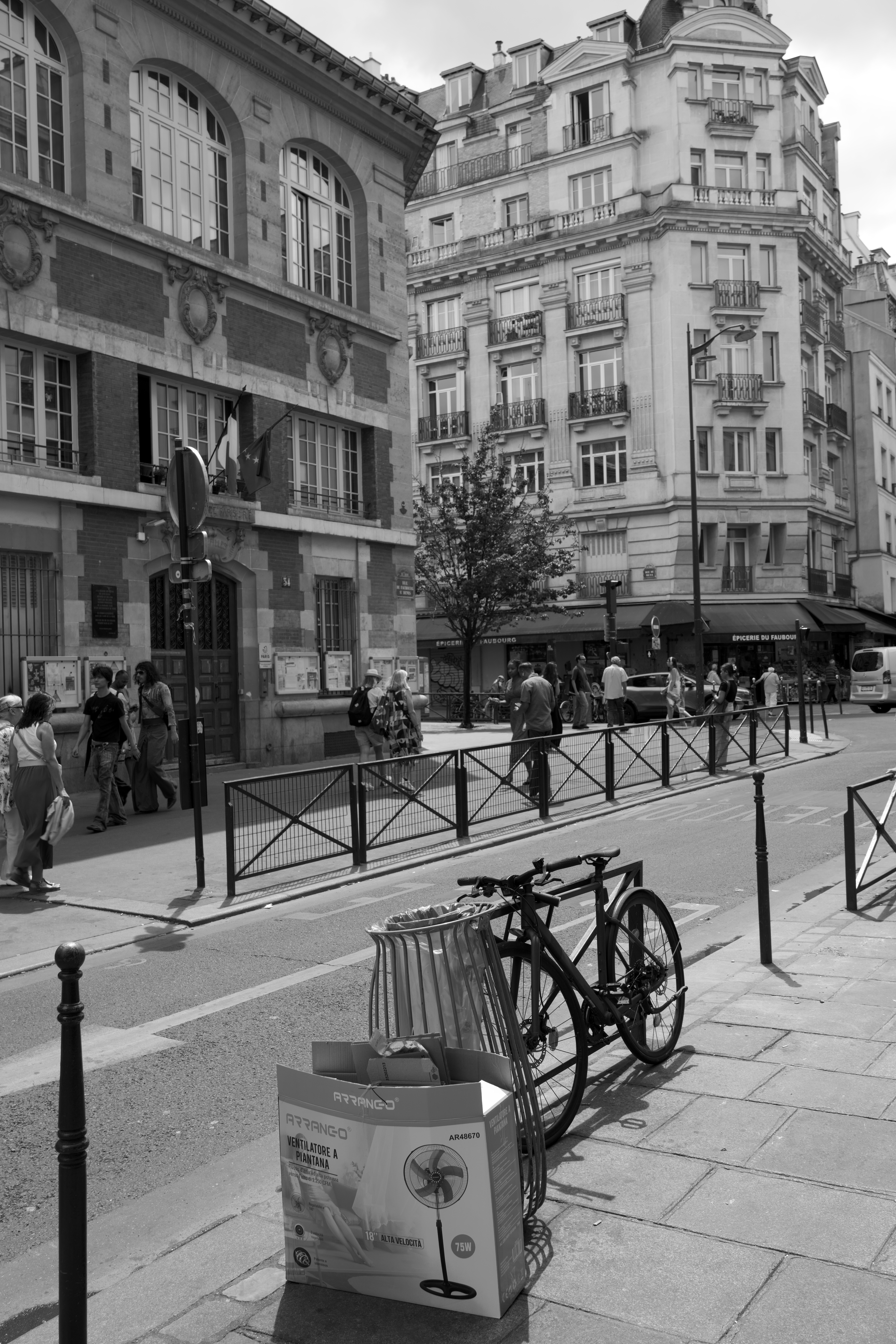
I have a love-hate relationship with Paris. And I have a love-hate relationship with my life in Paris.
I think the place is mocking me.
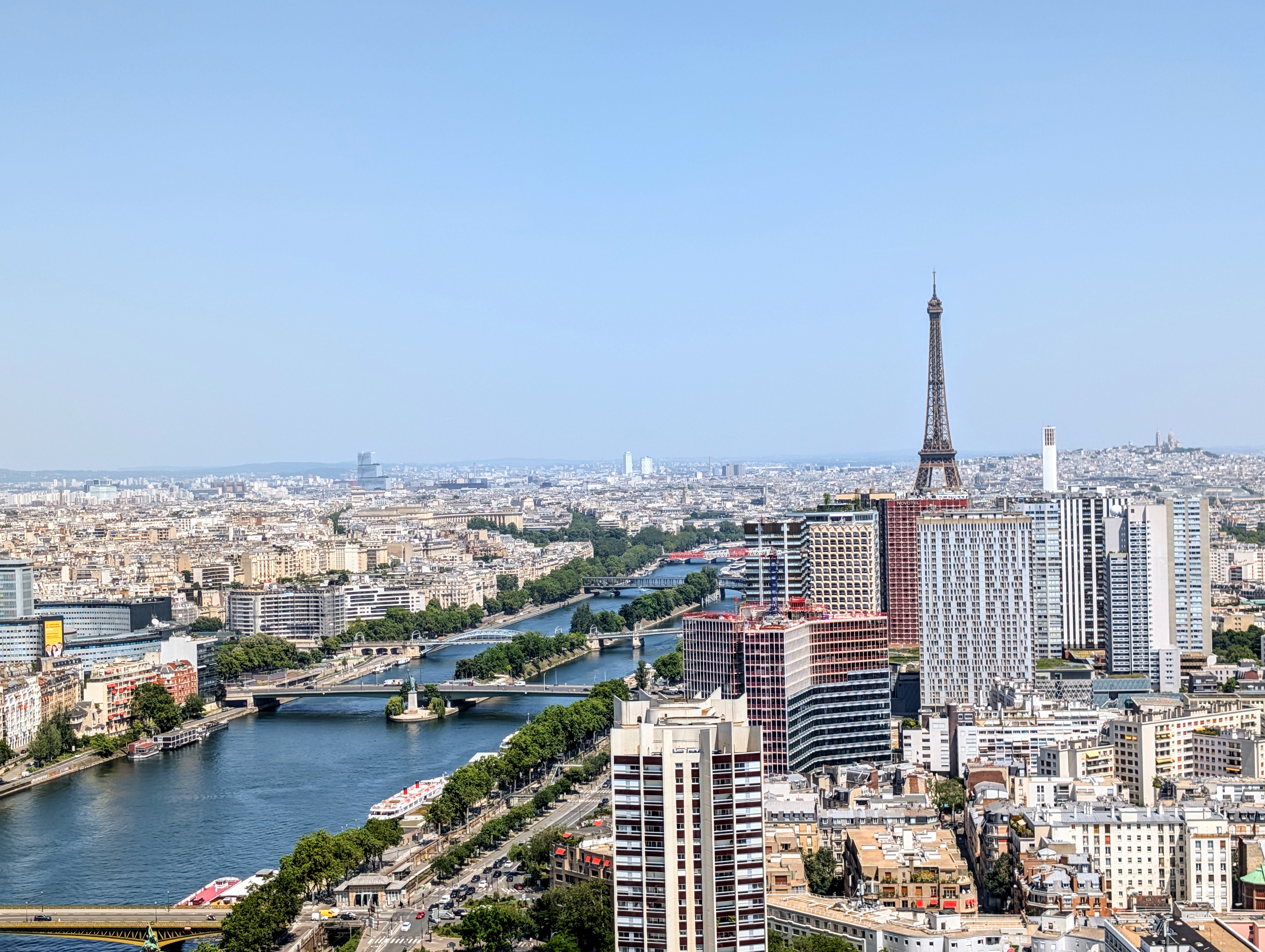
I spent the best part of my life defending all the generalised statements criticising the French, complaining about Paris and its inhabitants, and reducing the culture to overused clichés. But now I see it all. And worse, I see more.
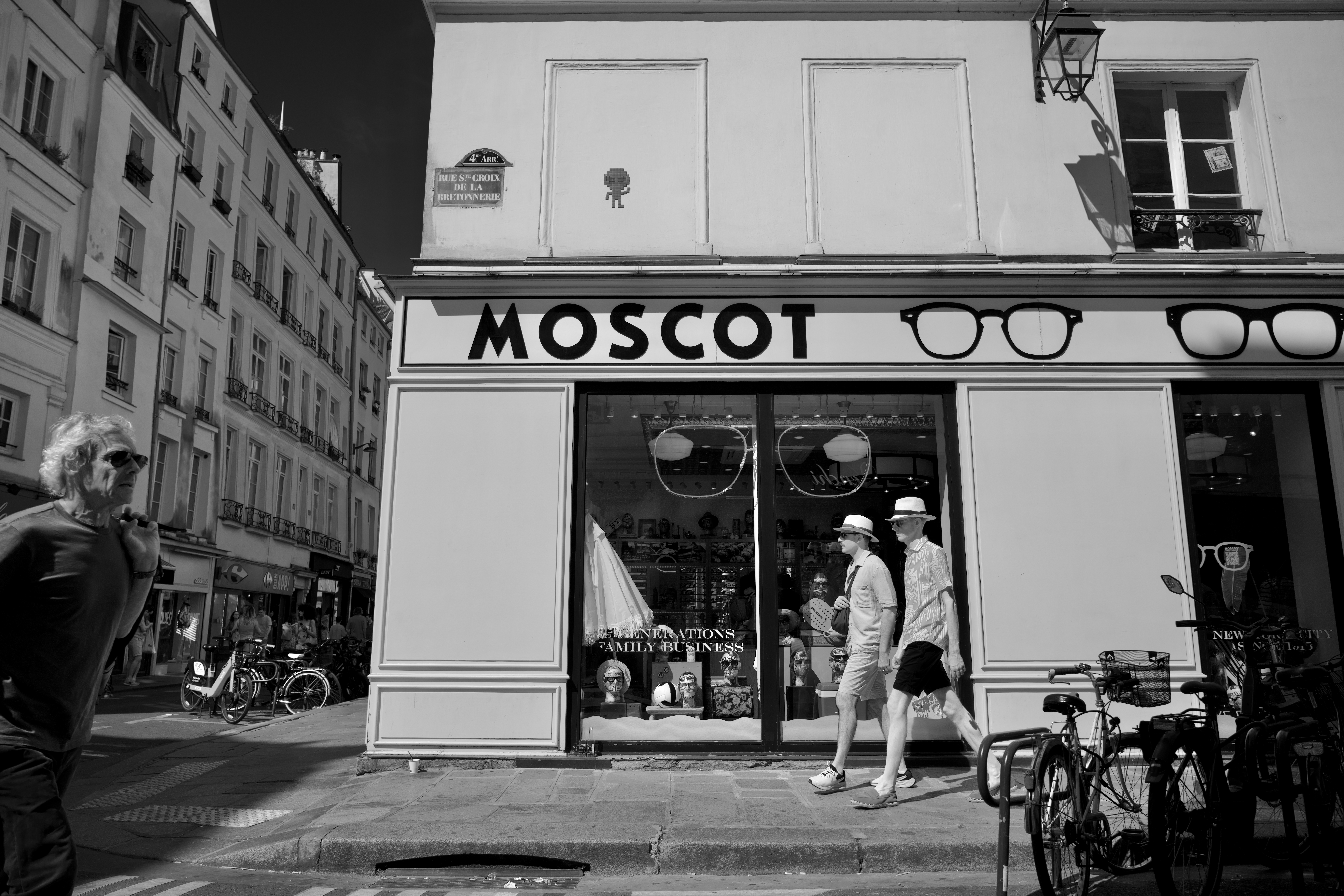
One of the challenges with emigrating is that one tends to compare everything to one’s country of origin, and that can go both ways. Sometimes we discover the flaws in our own culture and systems, and sometimes we rediscover the things that, actually, as it turns out, weren’t so bad after all.
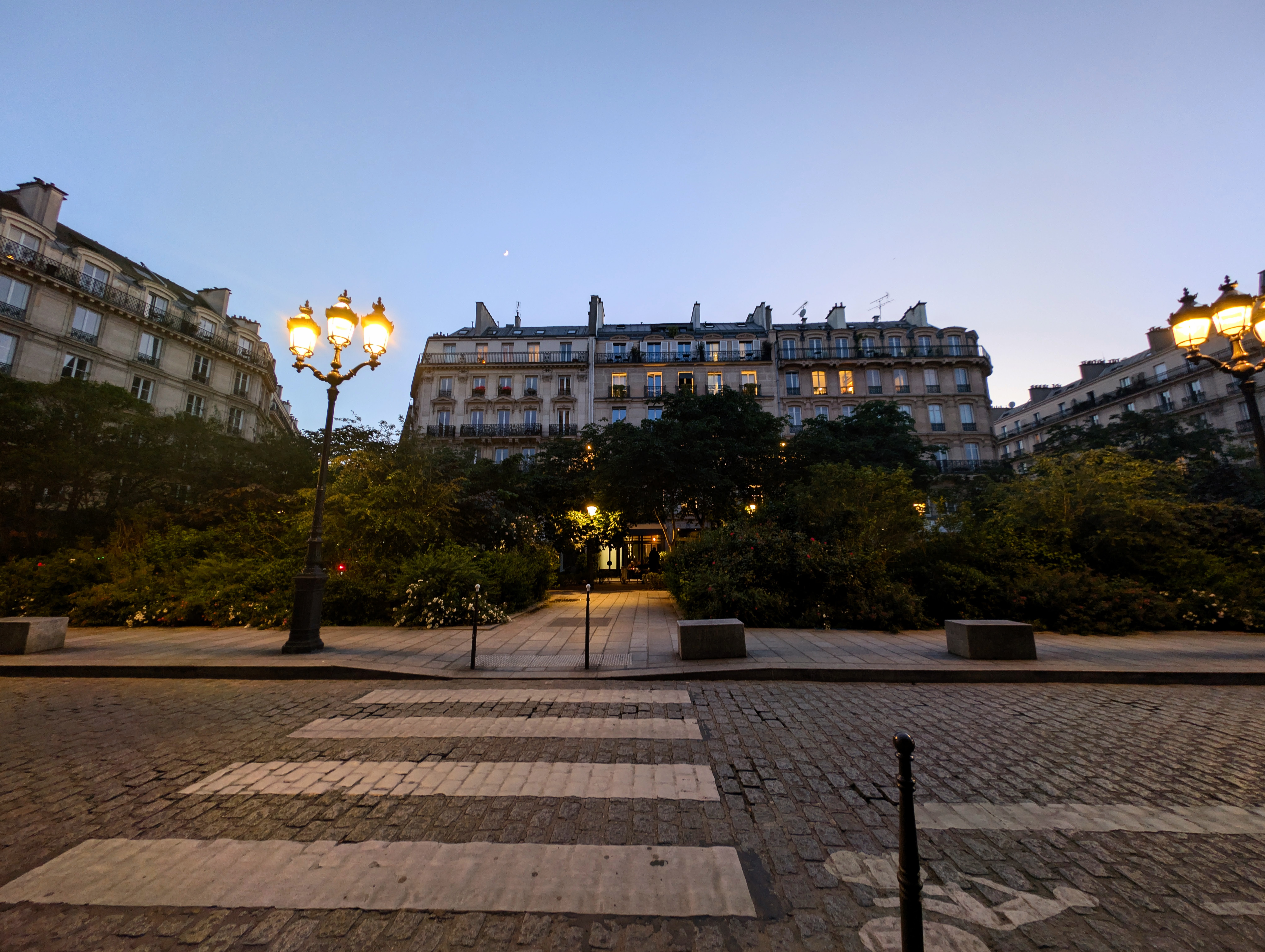
I’ve discovered a nuance to French culture that I’d never known, and an enhanced appreciation for certain aspects of Australian life.
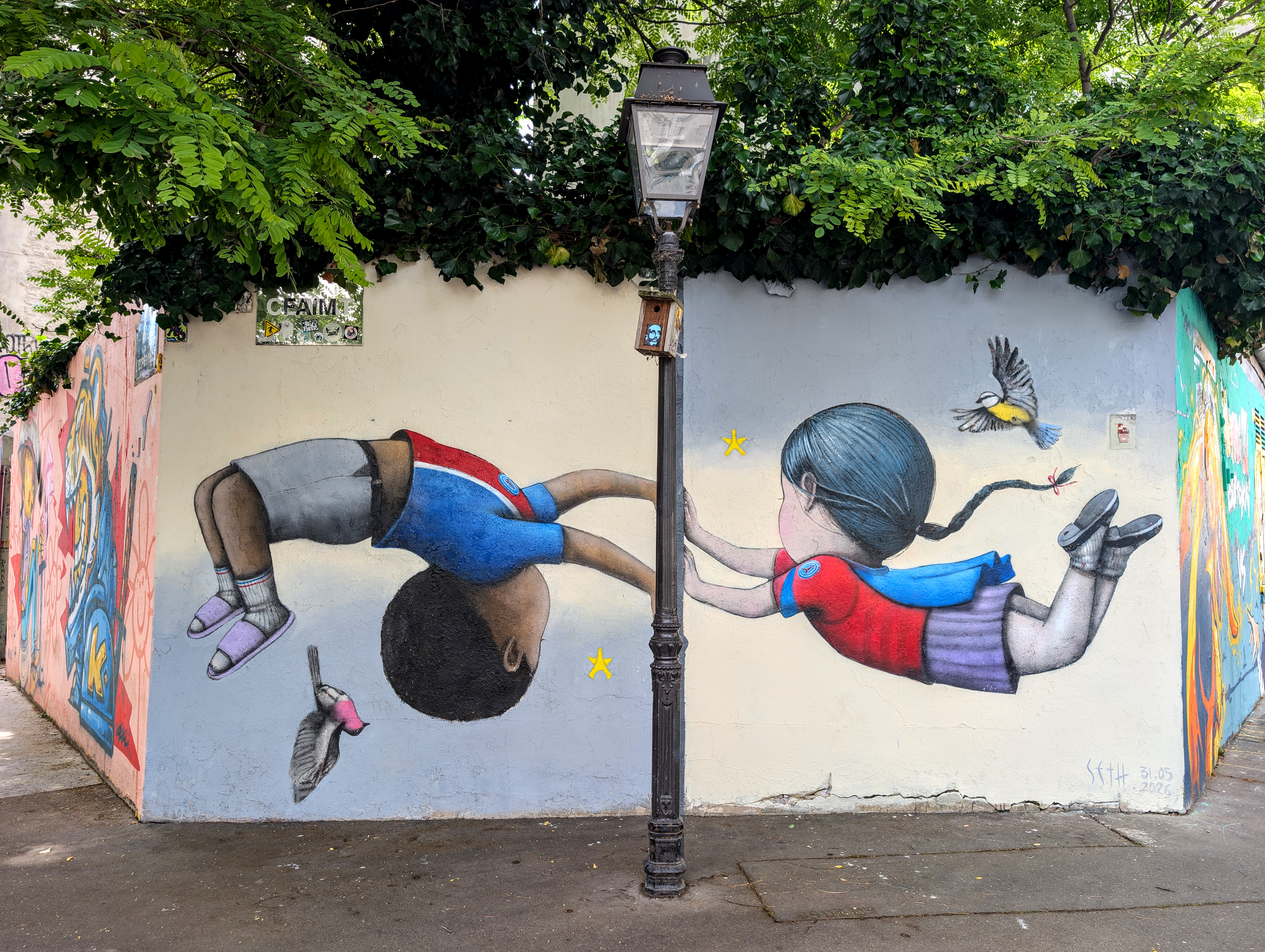
If we’re speaking to generalisations, then yes, Parisians are aloof. Paris is, for the most part, fucking filthy. The bureaucracy is incomprehensible and very nearly insurmountable without connections and nous. The first three responses to any enquiry are always “no”, without reason or explanation. There really is no air-conditioning. But perhaps most disappointingly at odds with my pre-conceived notion of Paris is that dining out is almost always one big, fat disappointment, and across the country, French food is largely a repetition of the same tired classics, marginally altered from region to region.
However, all of those things are simultaneously true and untrue.
Because, naturally, the truth lies somewhere in the middle.
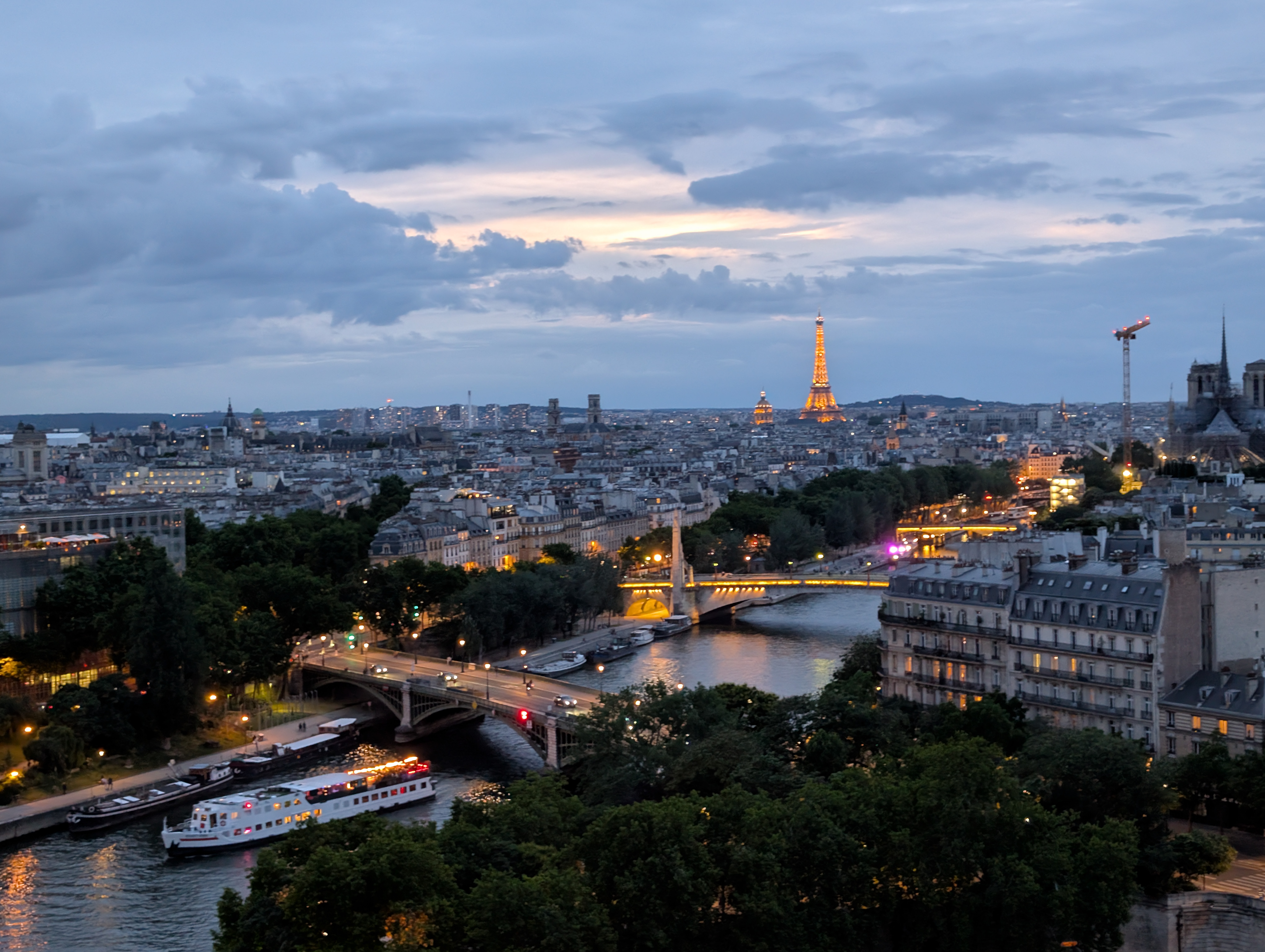
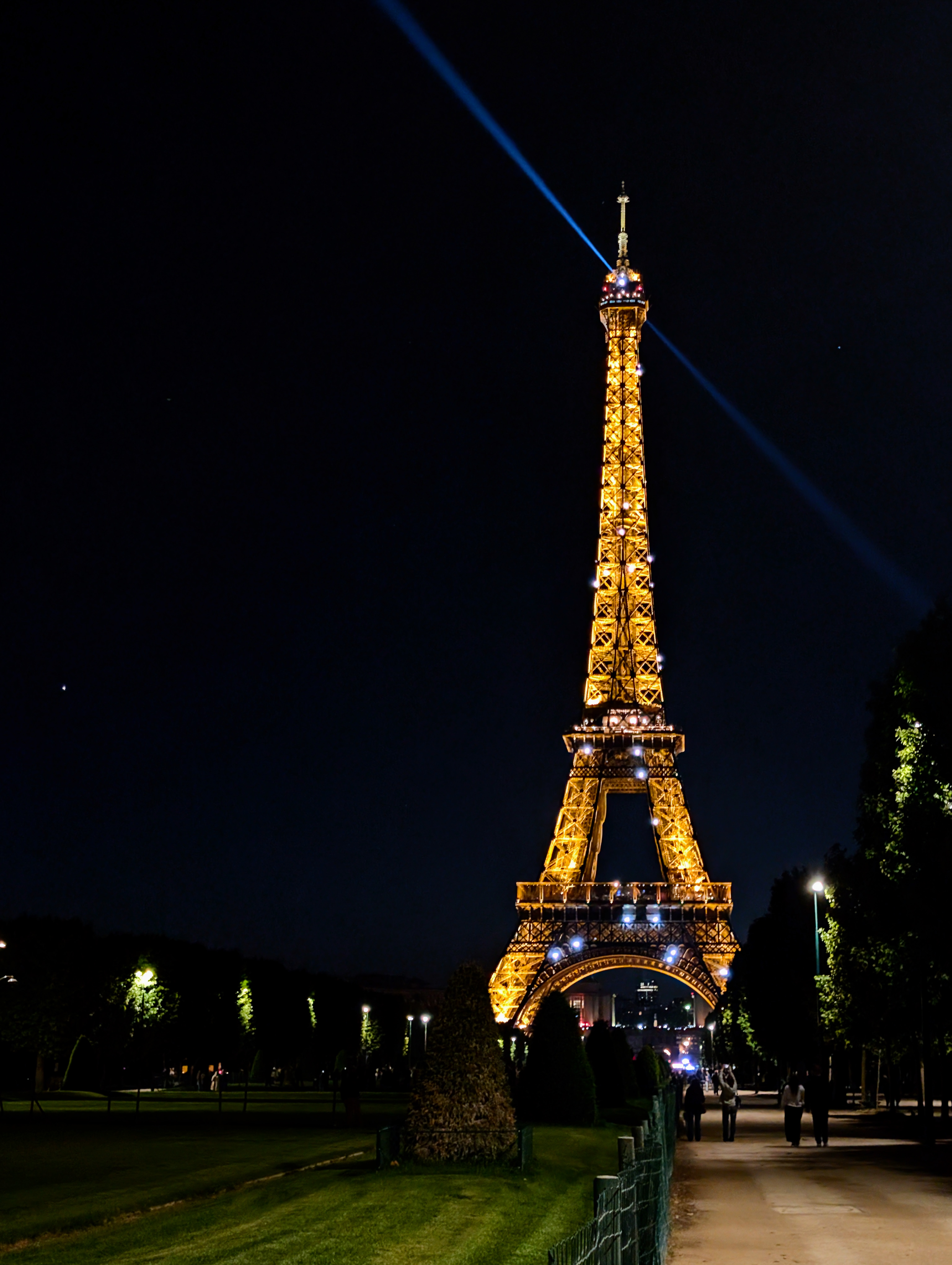
Yes, Paris is the most visited city on the planet and is full of tourist traps. But I ate at one of the best restaurants I’ve eaten at in Paris, not a 5 minute walk from the Eiffel tower. And speaking of La Dame de Fer, there is nothing quite so magical as her glittering display on the hour each night. And down many little streets and passages, and across arrondissements, one can still find artisans using traditional methods to weave and book-bind, and you can still buy candles from the oldest active candle-maker in the world. Trudon was founded in 1643 in Paris, and was the official Royal Wax Manufacturer for Louis XIV and the French court, and is still in business today.
It is a city full of tradition and possibility.
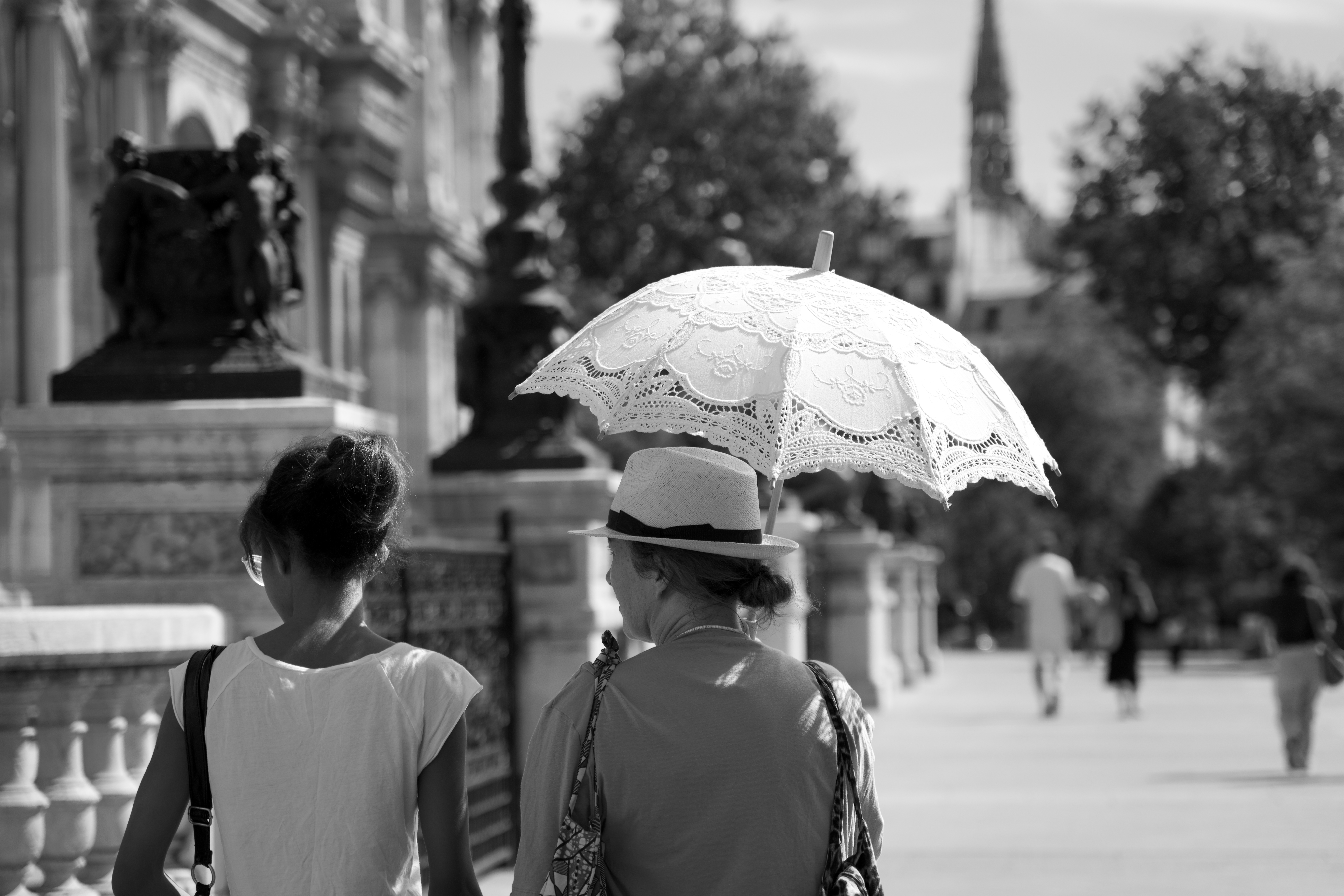
And yes, we’ve suffered through the worst heatwave in France’s history, breaking every record and sweltering in a city of concrete, limited green space and no air-conditioning. But outside of those two months, the comprehensive heating and standard-issue double glazed windows keep you warm and cosy without the need to wonder why it is colder inside your apartment than outside. And although the reasons for a lack of air-conditioning are varied, among them is that the French tend to actually give a shit about their personal environmental footprint. Whether that’s misguided or not is an entirely different debate (which a French person would be more than happy to have, by the way).
The Parisians prefer to socialise outside than at home. And you can’t blame them when you consider the average apartment size is less than 50m². I can’t help but respect the fact that every café, bar and terrasse is full of people eating, drinking and generally hanging out well into the night, Monday to Sunday, January through December. So yes, I would love it if my gym opened before 7.00am, and they’re still incomprehensibly smoking, but I appreciate that cafés are open past 3.00pm.
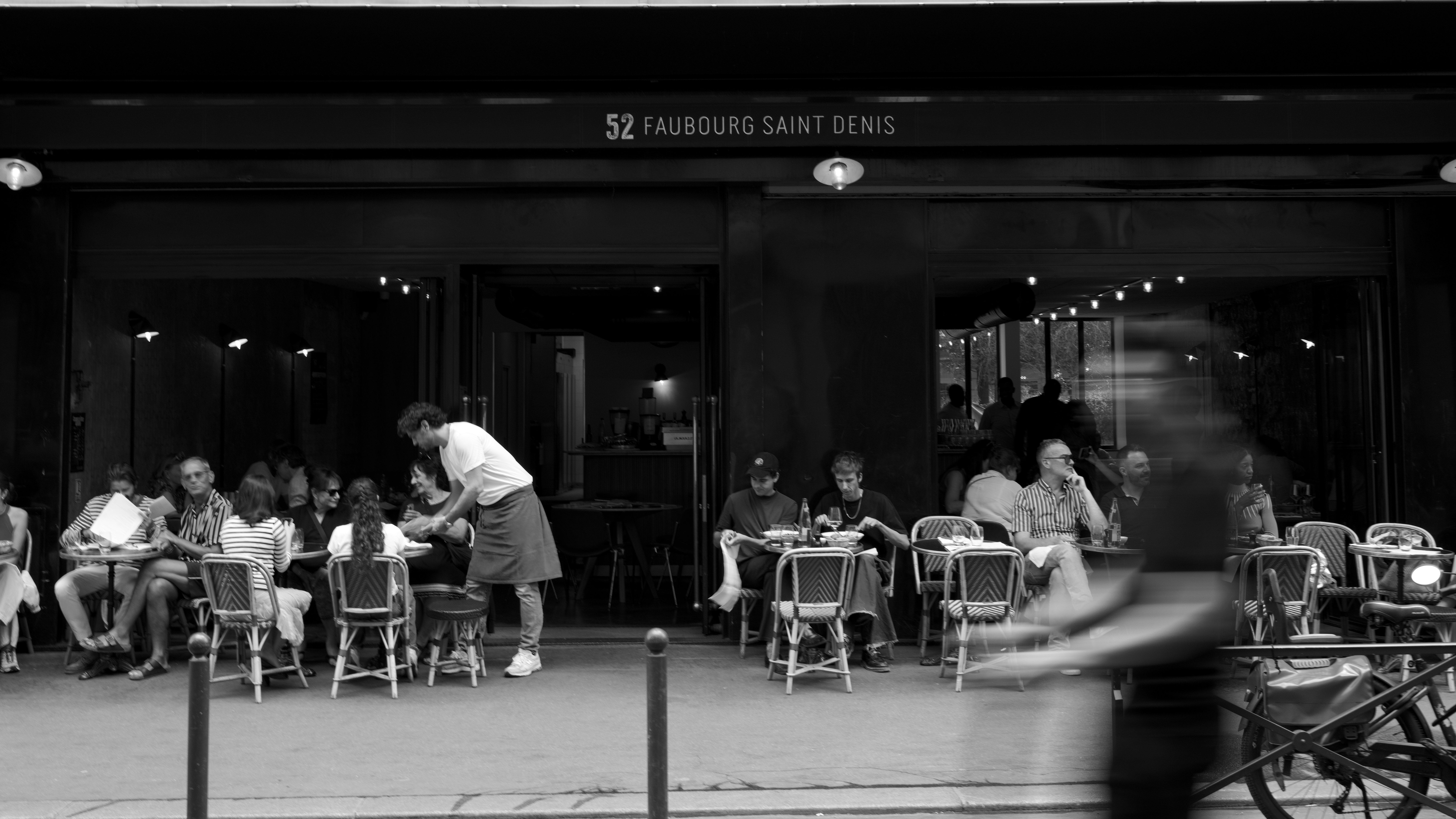
Yet, for a country world-renowned for its culinary traditions, French food is alarmingly repetitive. You can go from one end of the country to the other and find the same classics on every menu in every restaurant. And recent years have seen a massive degradation in the quality of restaurant cooking. And unfortunately, when restaurants do step outside of the classics it’s often a mediocre offering.
But, when you find the perfect preparation of a steak tartare, crème brûlée or steak frites, you remember why French cuisine has endured and is synonymous with quality. And sometimes you do discover a perfect restaurant in a little corner of regional France, and it makes it all worthwhile again. And when you venture to the regions and taste regional dishes, it’s a joy to discover a perfect galette in Bretagne, a flawless tarte flambée in Alsace, or the real-deal fondue in the Rhône-Alpes.
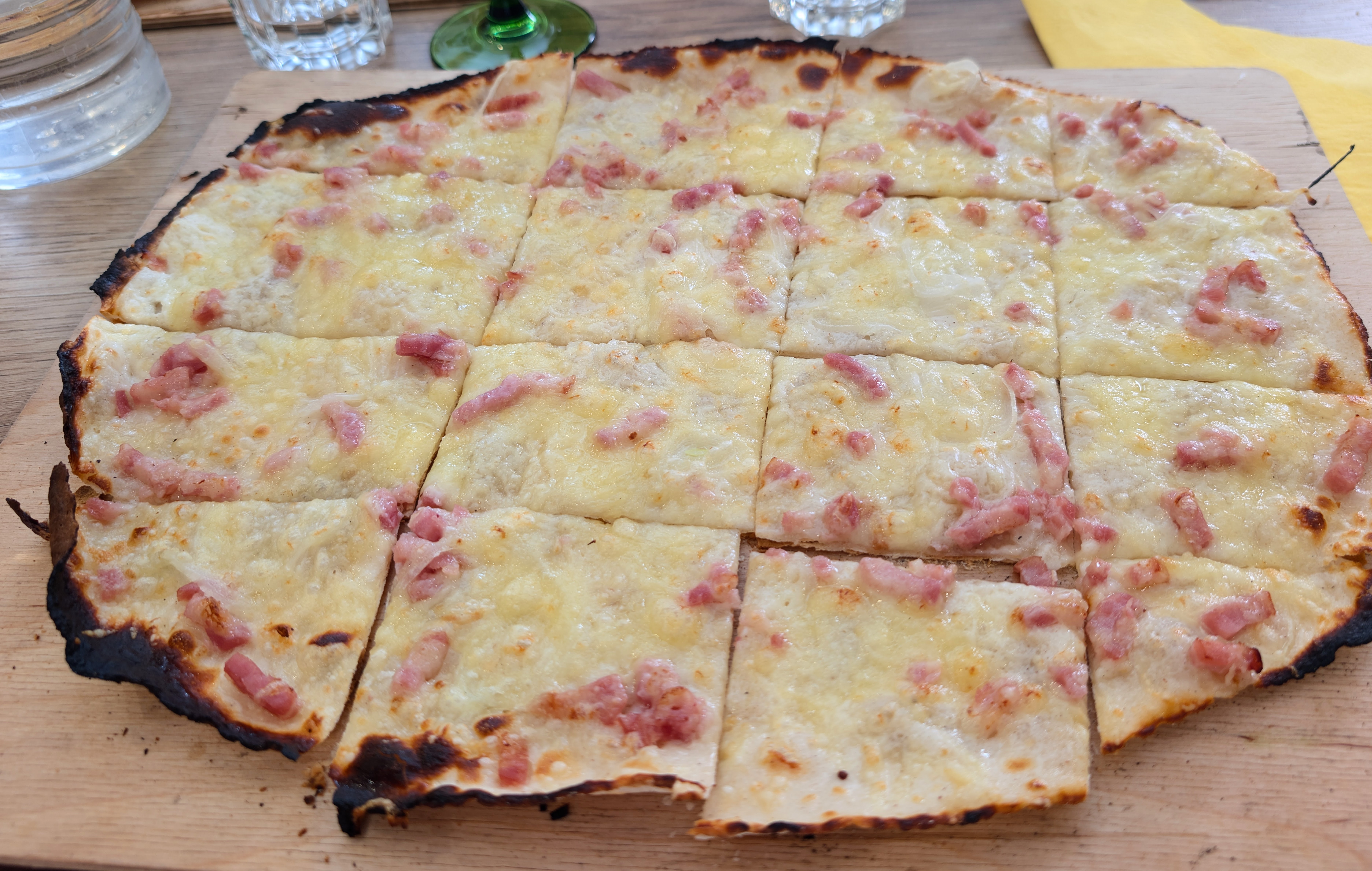
A tarte flambée in Strasbourg
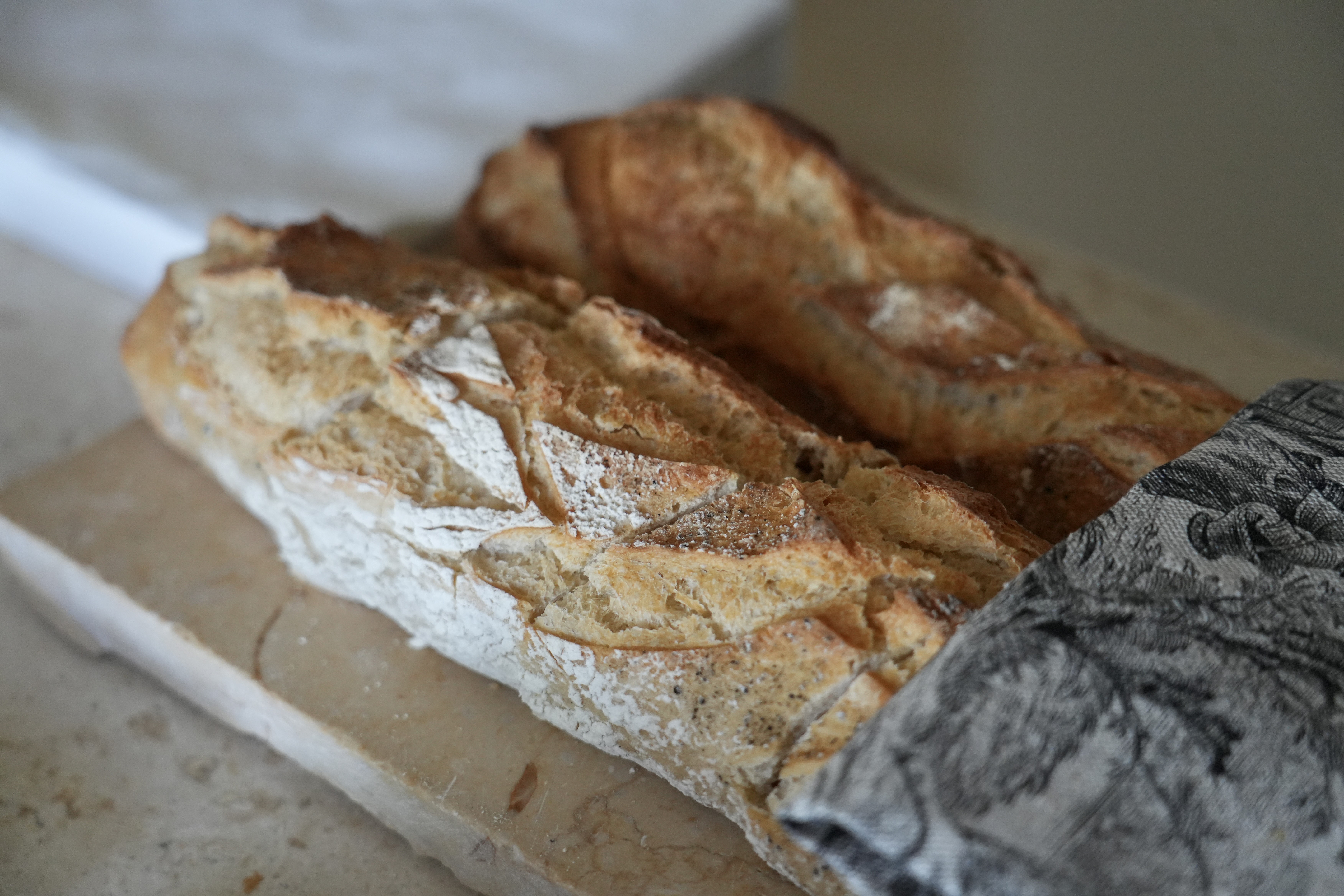
But perhaps the greatest joy is the fact you can get a fresh baguette at any time of day, from almost any corner boulangerie in Paris, just a moment after you have the realisation you want or need one.
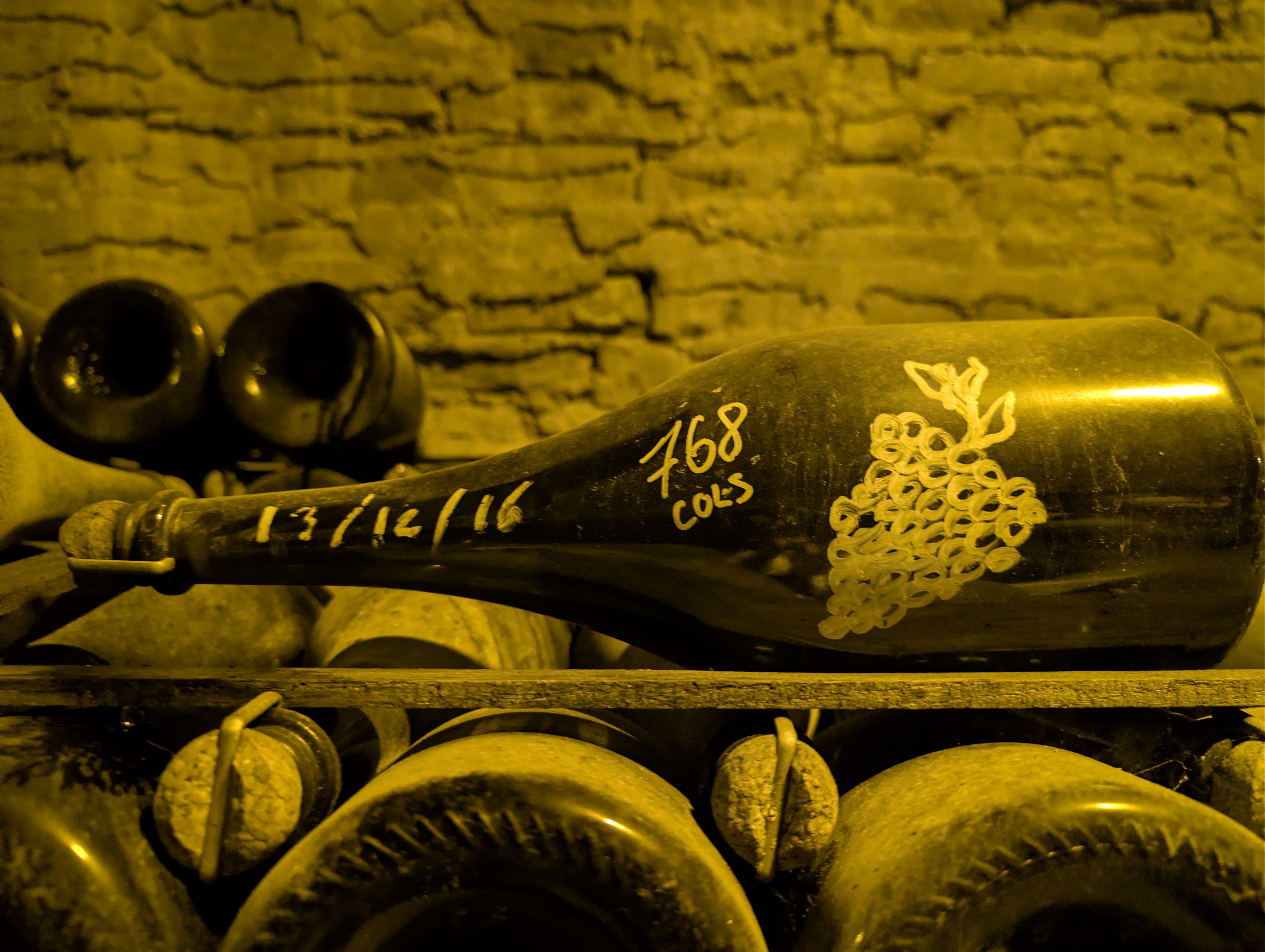
Moreover, in every restaurant, brasserie, bistro and dodgy café, I’ve yet to have a bad glass of wine. The only exception being that cheap rosé I brought on the delayed train from Paris to Grenoble, and well, that was obviously a terrible idea (and I was desperate).
I try to focus on these simple pleasures, but the single most grating thing for me to endure living in Paris is the filth. When I walk out the front door in the morning to go to the gym, I’m invariably greeted by a fresh pile of dog shit, a dead rat, a homeless person, or all three. To be fair, I could largely avoid it if we’d chosen to live in a fancy neighbourhood on the left bank, but then I’d probably be complaining about having to walk all over the arrondissement to do my shopping and find my baguettes, rather than having everything at my fingertips on Rue du Faubourg Saint-Denis.

But I miss the bush surrounding my home, views and wide-open spaces, and water-side walks (the Seine barely counts). I disproportionately miss the cry of yellow-tailed black cockatoos and the sunset song of eastern rosellas.

Paris is one of the most densely populated cities in the world and often feels claustrophobic. Apart from a few grand boulevards (thank you Haussmann), and a few parks (in which you mostly are forbidden to sit on the grass) the city is a warren of narrow and treeless streets. So, ironically, one of the best things about living in Paris is being able to leave Paris. You can get on a comfortable fast train and in three hours, be in one of a number of other countries entirely. Or if you prefer to stay in France, you can escape the suffocating oppression of the city and be standing at the seaside with the sea breeze blowing across your face as you look out over an endless horizon, or you can be standing on top of a mountain range, taking in the fresh, crisp mountain air.
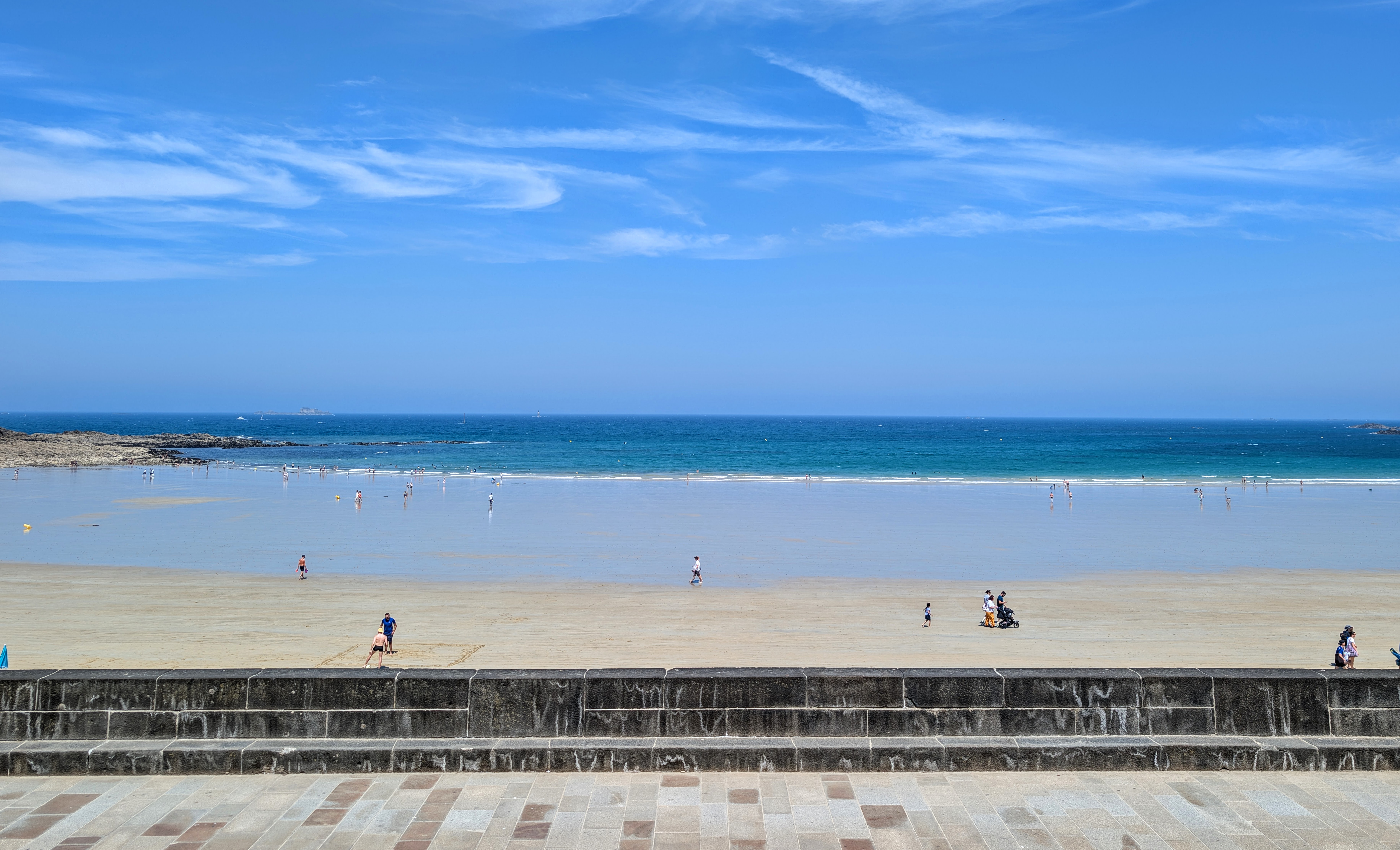
At the seaside at St Malo
A close second to the filth is the service in Parisian restaurants. It is universally acknowledged as some of the worst in the world, and I can’t express how much I miss the simple pleasure of having a waiter ask if I’d like a second glass of wine when mine is empty. But every now and then, you find a little gem that manages to subvert the norm and pleasantly surprise. There are places we love like Chenepan, and there are those run by expats, like De Vie, which deliver exceptional service every time. It’s no surprise then that our favourite pub is run by a Kiwi guy. But there are also a number of quality cocktail bars, which deliver top-notch drinks and fantastic service each time.
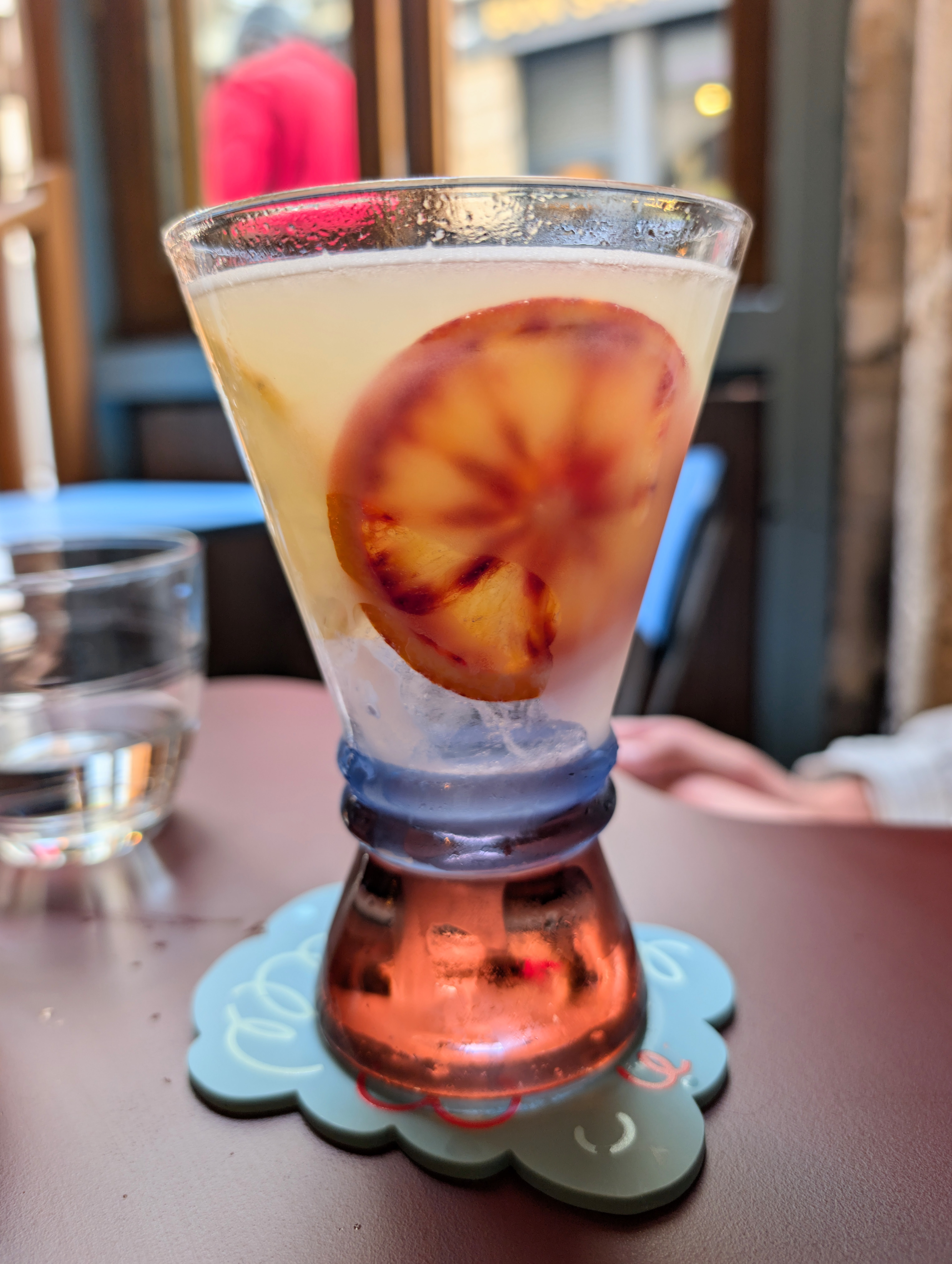
Cocktail at Abstract Bistrot
In fact, we’ve found a nice little community. I’ve made friends through meeting people at The Wellington and we’ve got to know a bunch of hospitality staff by name. It’s strange to reflect on the difference between this and our experience in Tasmania. We lived in Tassie for over two years and never really made any new friends. Only the guys at Ogee and my coffee shop knew us by name. It’s the difference between living in a small, insular city, and a global city, where being an expat in a country with a foreign tongue tends to draw the anglophones to each other. And we share much more in culture than just our language and colonisation history.
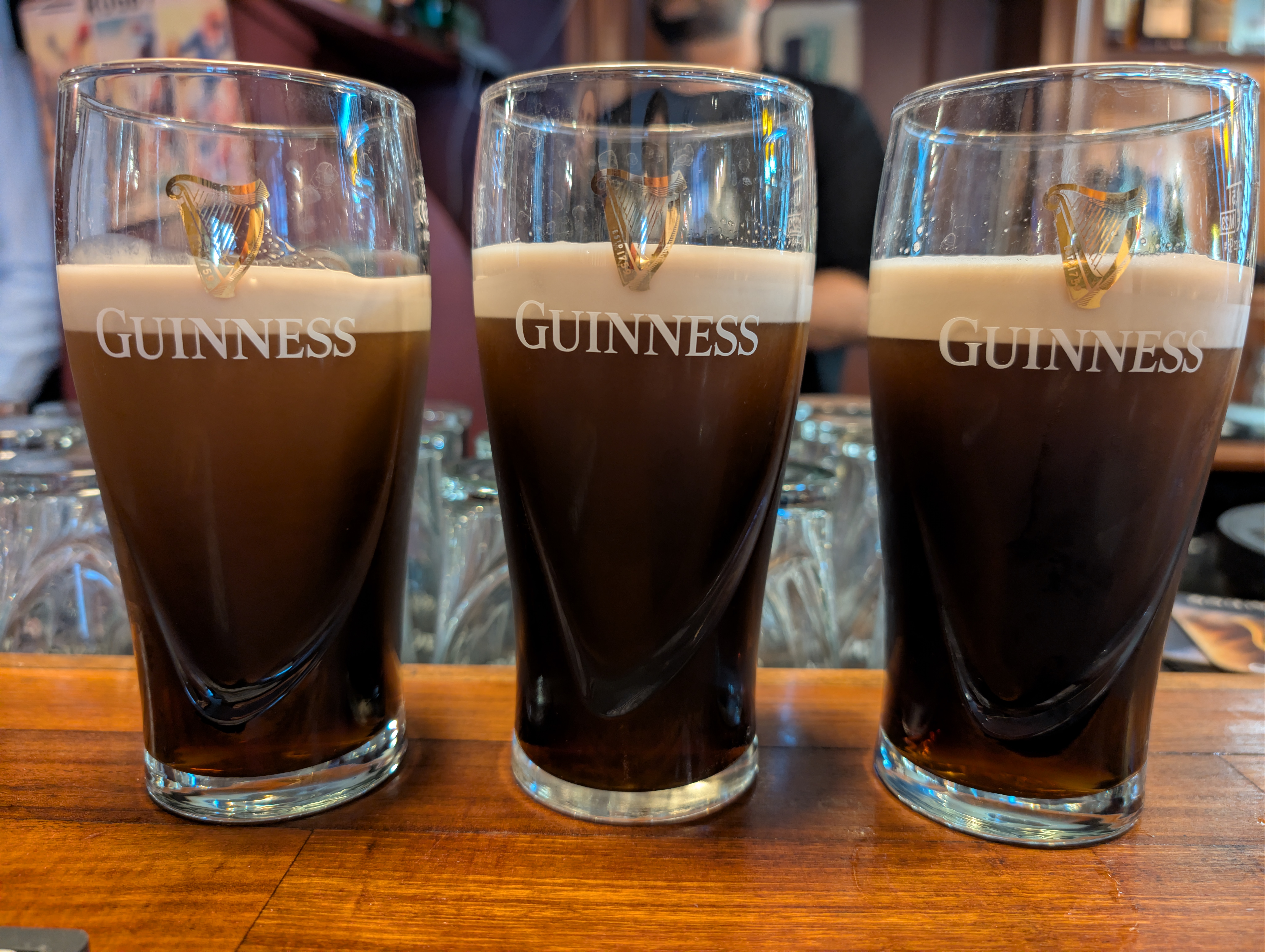
Guinness at The Wellington
As an aside, for some inexplicable reason, there’s a serious and distinct lack of deodorant wearing amongst French men. Grown men - who are not homeless - also feel entitled to piss in the street. It’s unfathomable and disgusting, and I have no counterpoint to that. But French women are completely at ease with not wearing a bra in public and I can definitely get around that.
Of course, the French famously strike and protest, but there was nothing quite like being in the middle of Paris after PSG’s victory in the Champions League final on 30 May 2026 with fireworks going off and chaos in the streets. The French had no problem beheading their King, and they have no problem setting fire to iconic symbols of capitalism to make a point. So maybe they’re not very well behaved, but they’re also unafraid to tell their government when they’ve had enough.
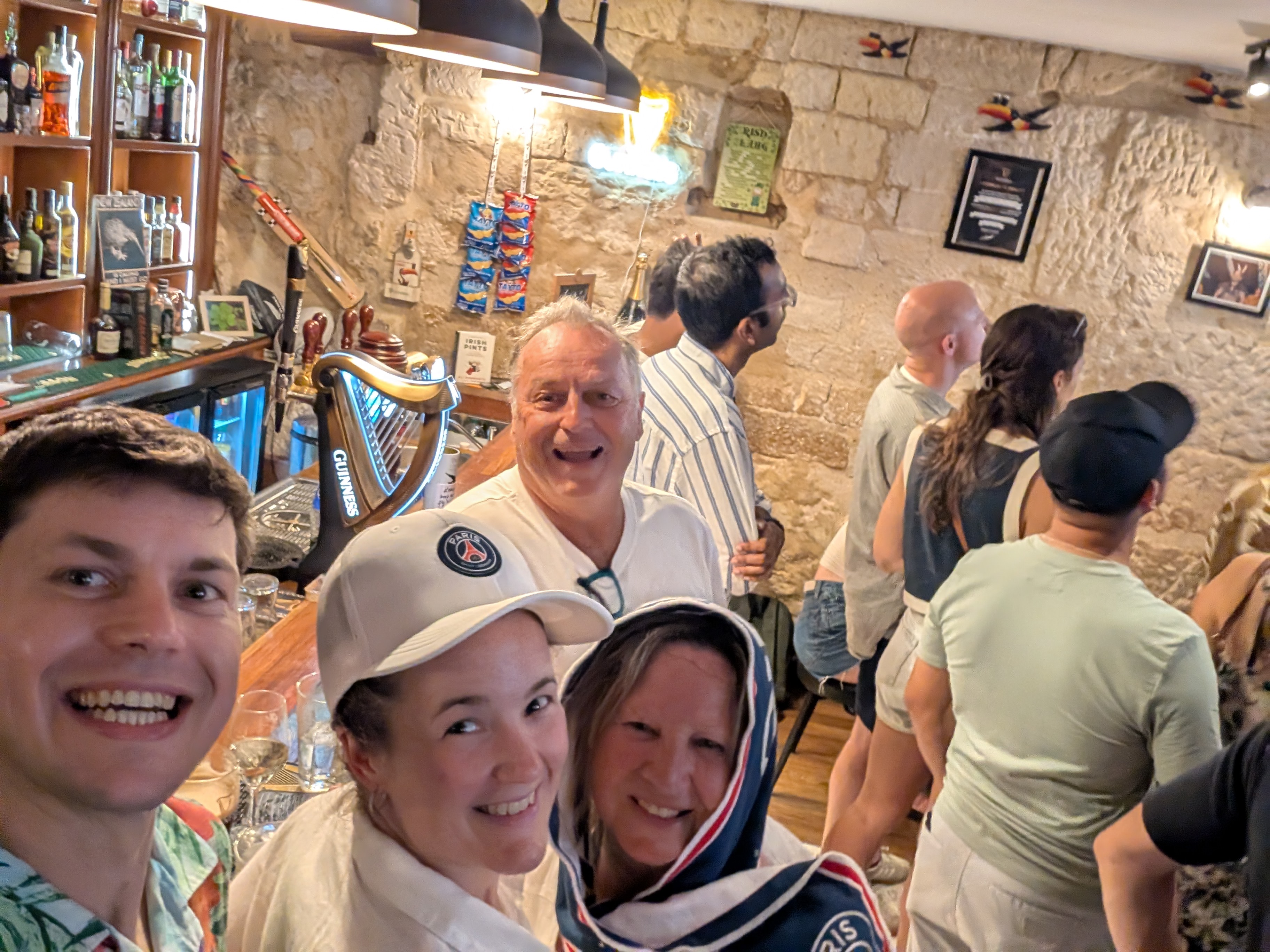
Watching the PSG match at The Wellington
The prevailing disdain for authority and institutionalism naturally extends into the workplace. There is a rife stereotype associating the French with a lax work ethic, but even though Dylan gets seven weeks of paid vacation per year, I’m currently inclined to think its more unwarranted than not.
In summer, practically every Parisian vacates the city for the entire month of August, leaving a quiet and near empty playground for those who choose to remain. Nearly every Friday afternoon, the metros to the major train stations are packed with Parisians escaping for the weekend.
But is that actually a problem? Are they lazy because they don’t want to work more than they are paid to work? I think the French simply don’t view work with the same consuming obsession that the Americans, Australians and Brits do. So yes, it’s hard to get shit done sometimes because someone’s taking a pause to enjoy the view (with a cigarette), but should our lives be reduced to transactional efficiency in everything we do? Probably not. And should we care more about what we achieve in our work than our recreational time? I don’t think so. And would I rather spend time visiting France than being stuck in an office building in La Defense on a Friday night? Most definitely. So there’s probably something there after all.
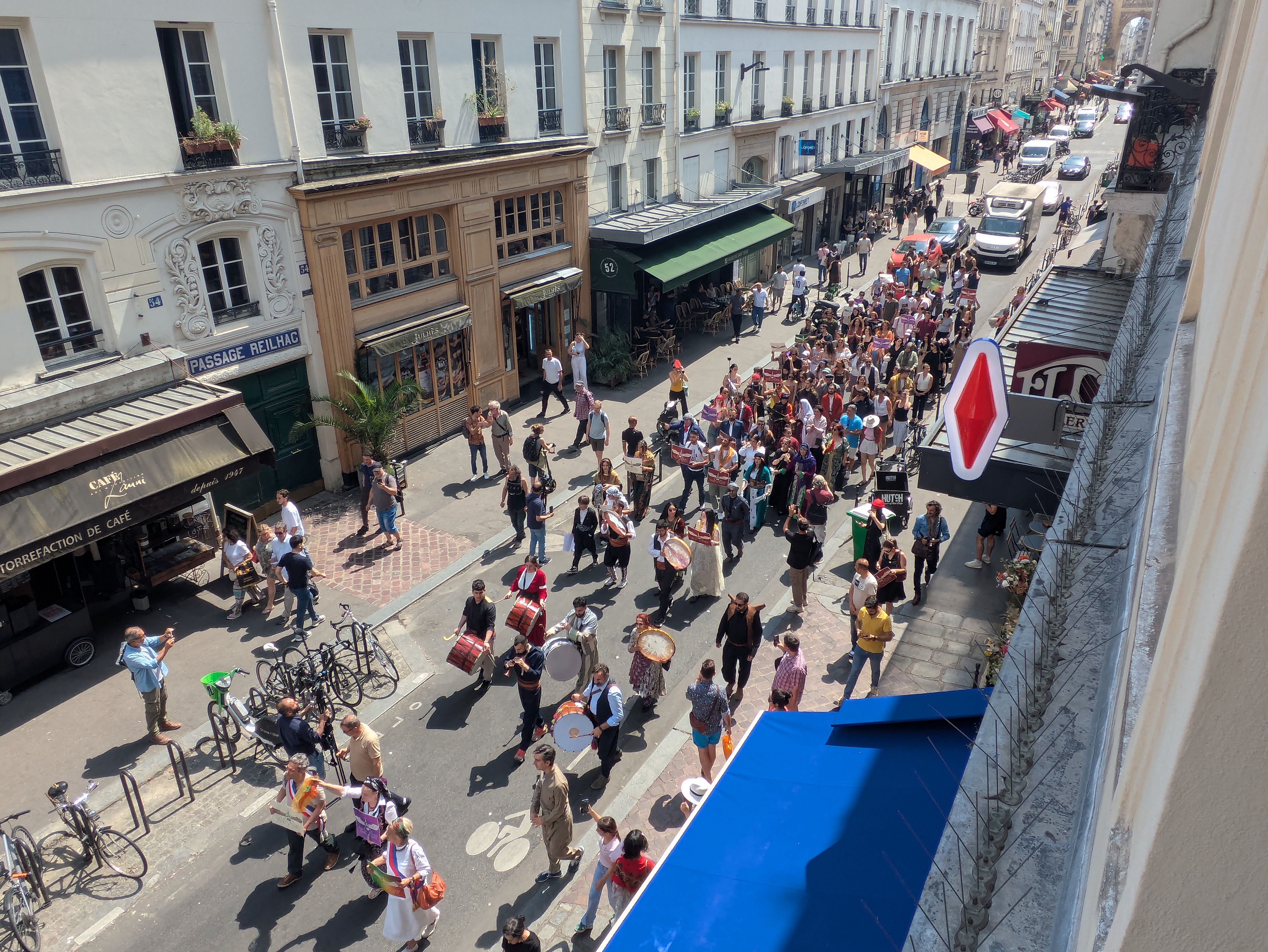
I suppose they do call it la joie de vivre.
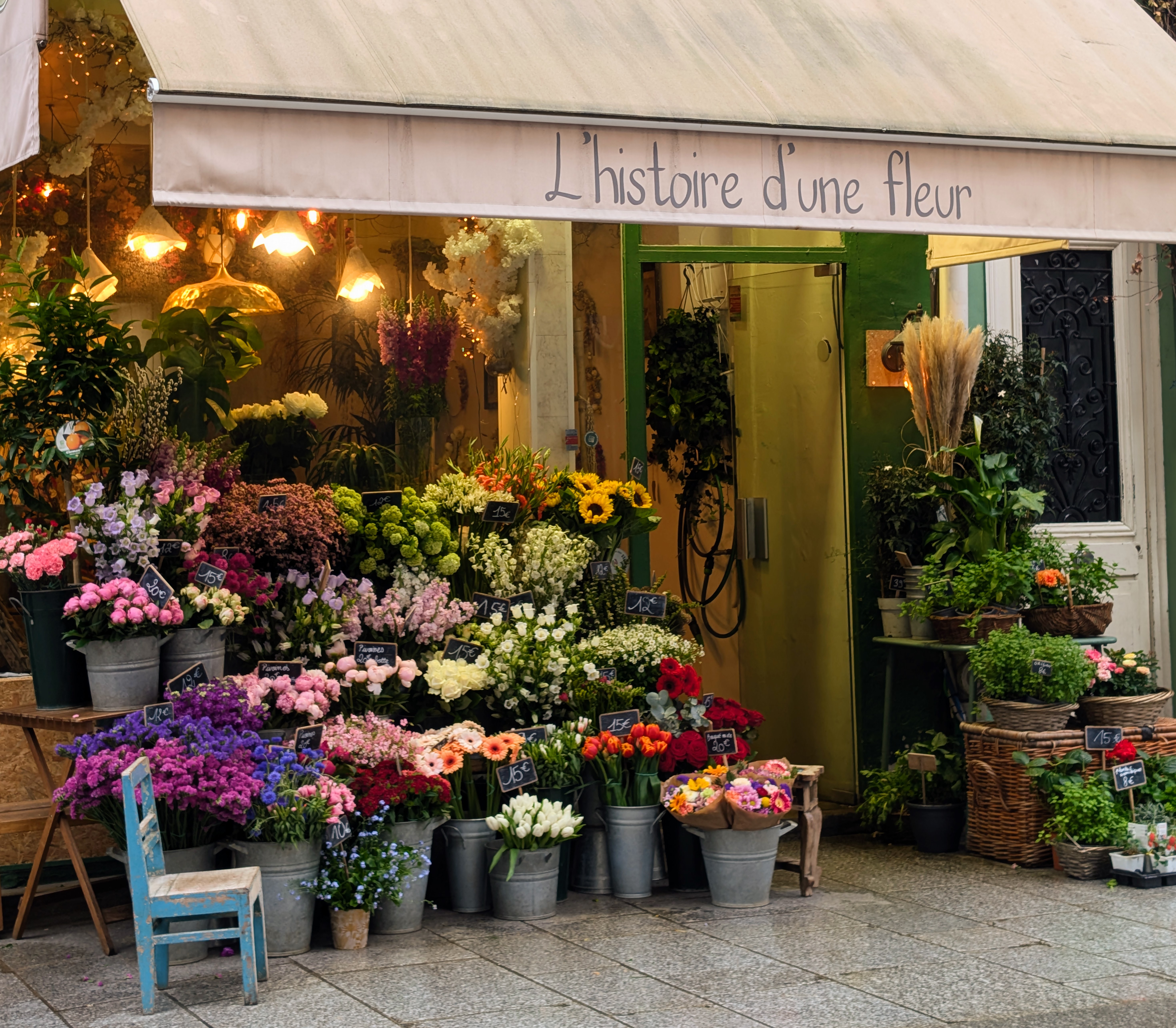
So maybe you’re wondering whether I actually like living in Paris? Yes, I do. Despite, and because of, its flaws. Do I miss Australia and my life there? Absolutely. I know that Paris is not the place I want to spend my life. But I also don’t want to leave yet.
I want to be here, even with the stink and noise and claustrophobia. Because that’s what it means to live in another country and to experience a new culture. We take it all on: the good and the bad, the efficient and the inefficient, the clean and the dirty, the delightful and the mediocre. And the baguettes, definitely the baguettes.
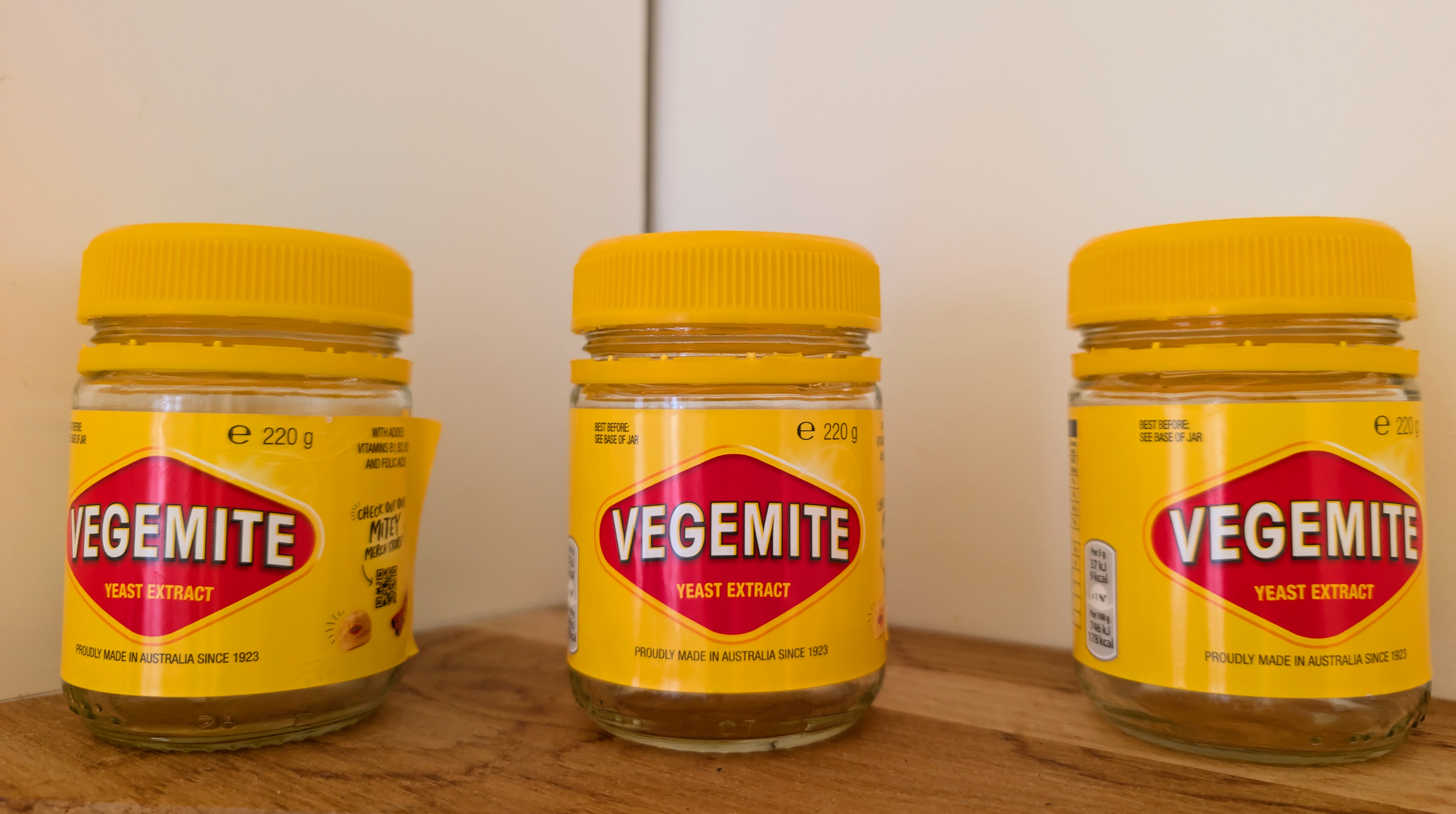
But we refuse to give up Vegemite
Because Paris wouldn’t be Paris without its flaws. And this experience wouldn’t be half of what it is without its challenges.
And even though in better understanding French and French culture, some of the mysterious romance has been lost, I’ve gained so much more awareness and insight into what it means to be French.
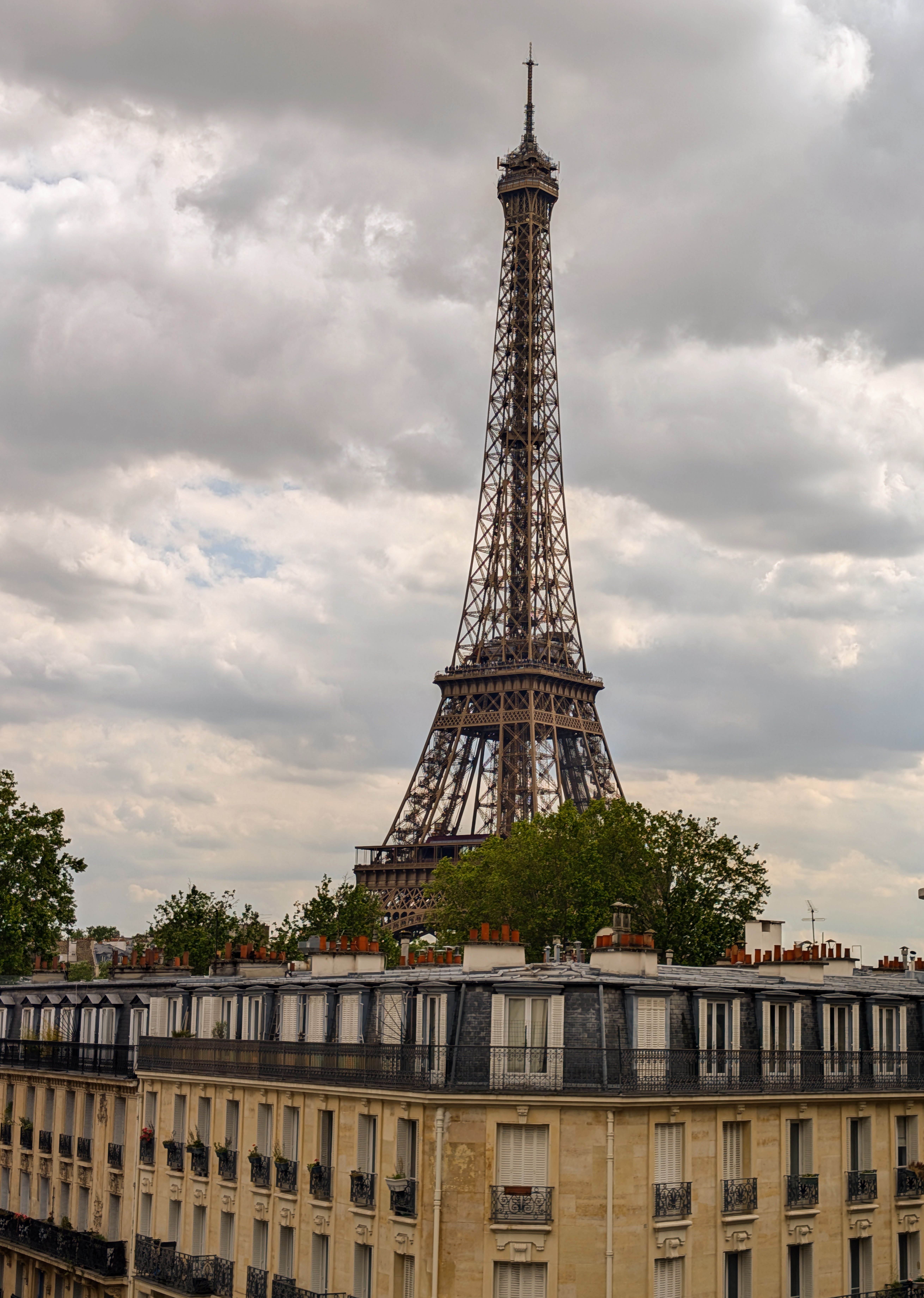
And because the French are, in fact, intellectually rigorous and deeply introspective, they can point out these cultural foibles just as fast as the next foreigner. Which is why they perfectly comprehend the struggle to get anything administrative done.
My French teachers have regularly complained about the French conservatism towards anything new. So when we finally received our titre de séjour and Dylan received his carte vitale the news was met with solidarity on behalf of the French who are forever battling the system. I’m still going through the painful process of applying for my social security number, six months in, which I need before I can get the carte vitale. Effectively, I’m living without healthcare for an indeterminate amount of time because there is no information provided ahead of time about what the process requires. In fact, there simply is no documented process.
The first few months of life in Paris were undoubtedly hard. We arrived in the middle of a dark, cold winter, we were constantly sick, we knew no one, and we couldn’t find an apartment. But a couple of months in, we felt infinitely better about being here. We found our own apartment in an exciting neighbourhood and after three months, Dylan settled into work and passed probation. And through it all, I watched my French improve enormously, climbing from level A2 to B2.
But at six months, I cried for the first time.

The endless noise and filth of the city started grating. I was struggling to sleep and my French progression seemed to stall (I’d reached the dreaded upper intermediate plateau). Some days I feel like I’ve made enormous progress and I’m on the way to speaking French “properly”, and other days I feel as though it’s a pointless endeavour because I’ll never be good enough to make it worthwhile. I’ve even developed enough fluency that I now get irritated by the omnipresent ticks like du coup. (Which has the same auditory effect of hearing teenage American girls saying “literally” in every sentence when something is not literal.)
A week ago, I was at a restaurant and the waitress asked a four word question that I completely missed. A basic interaction that eluded me. But a few days before that, I went to a viewing for a new friend’s photography exhibition and hung out with her friends, following their conversation, and even their jokes, in French.
It’s not linear, and as anyone who has learnt another language will tell you, it’s an endless journey. But every new word learnt is progress. I’m trying to remember that when I’m pushing myself to do my Anki flashcards every night before bed.
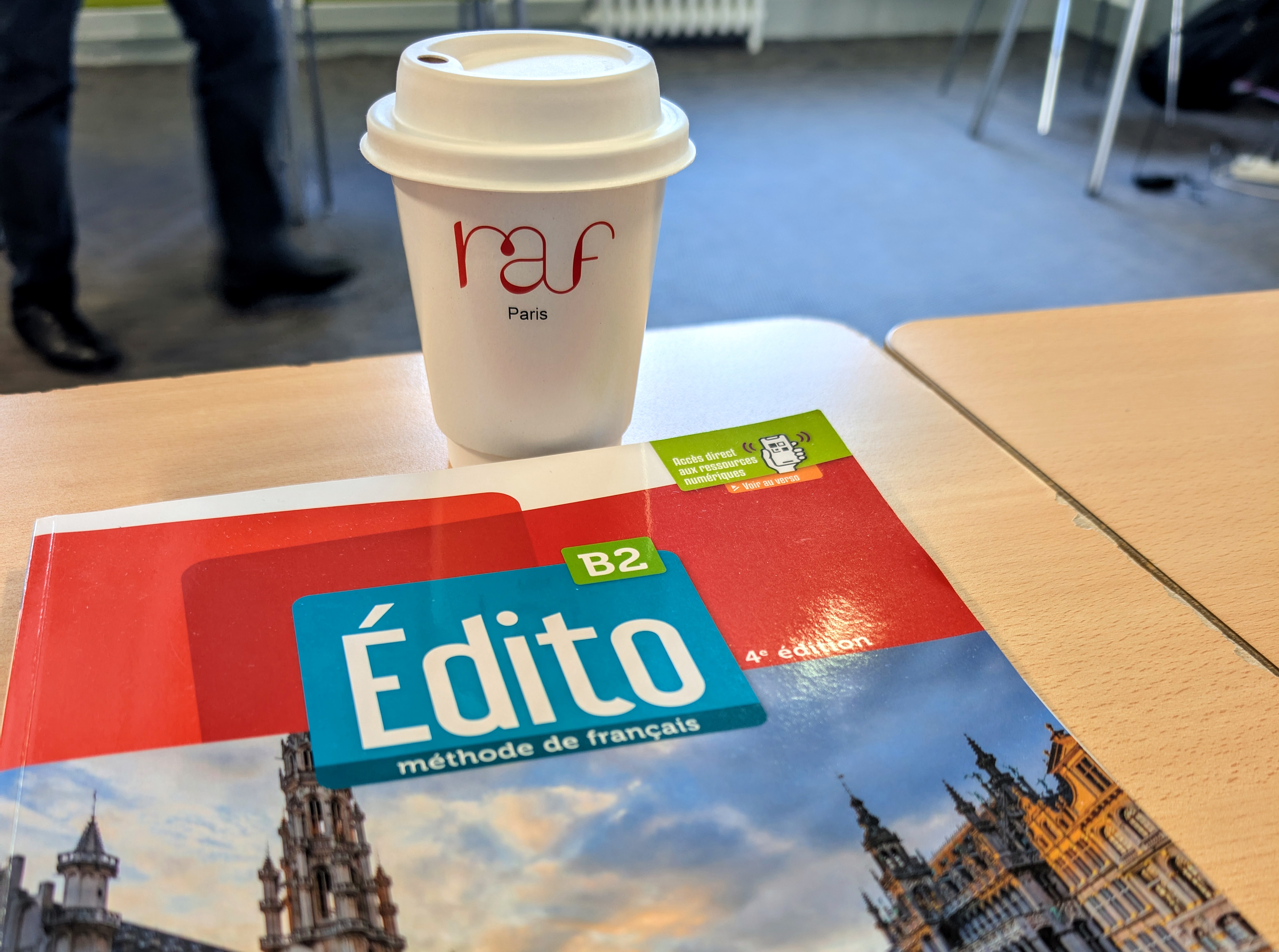
Soaking up French B2, with obligatory coffee number two
But worse than the filth, noise and frustrations of learning French is the fact that I still didn’t have a job.
For the first few months, it was completely fine not working. I had the time to find an apartment and do all the immigration tasks. I could throw myself into learning French. I had the time to explore the city and spend time making friends. After all, is there a better place in the world to be temporarily without work than Paris?
But as six months starts to slide into seven, it’s looking less like a struggle to find work and more like an impossibility. And as it continues to look increasingly unlikely that I’ll get a job, it’s becoming harder and harder to enjoy being here. I thought meeting people would be the hardest part about moving overseas, but as it turns out, that was rather easy. Already, we have a circle of friends and acquaintances. We have social outings. We’ve lived here for six months and have hosted, and been to, many parties and dinners.
I’ve had periods in my adult life without work before. In 2018, just after we got married and Dylan started at GitLab, working remotely, we travelled the world for a year. I didn’t work and it was my choice.
Then, in 2021, when I left Telstra, I chose to take a year off work. I had job offers, but I wanted to do floristry and take some time away from legal work. Once more, it was my choice.
But now, it’s not my choice. I want to be working. I want to be in an office, with all of its annoyances and inconveniences. Because that means I’m truly living, and not vacationing. Working is part of an everyday, normal life, and that’s what we want to have here. With a job, I have a “normal life” in Paris. It means I haven’t failed.
But instead, I feel like I have. I’ve never not been able to get a job in my life. It’s a confronting reality that I’m struggling to cope with every day. It all feels a little insurmountable.
So although I am enjoying taking intensive French classes and I’m able to fill my days (it is Paris after all), it’s hard to settle in without a job. We’re spending more money than we’re earning: paying a mortgage back in Australia, paying rent in Paris, and travelling as though we’re on two incomes.
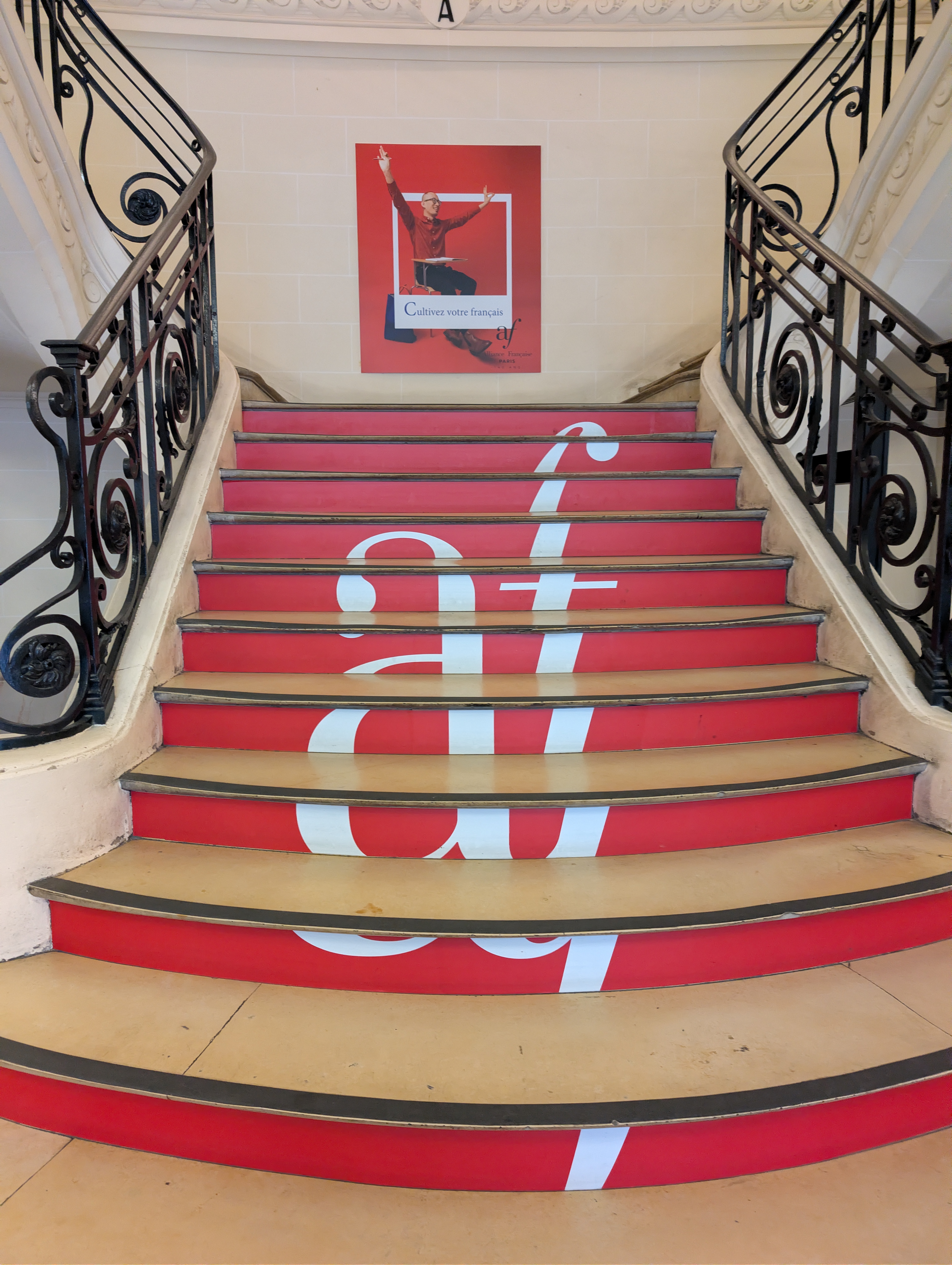
At Alliance Française
So I need a job. It’s a new and difficult place to be.
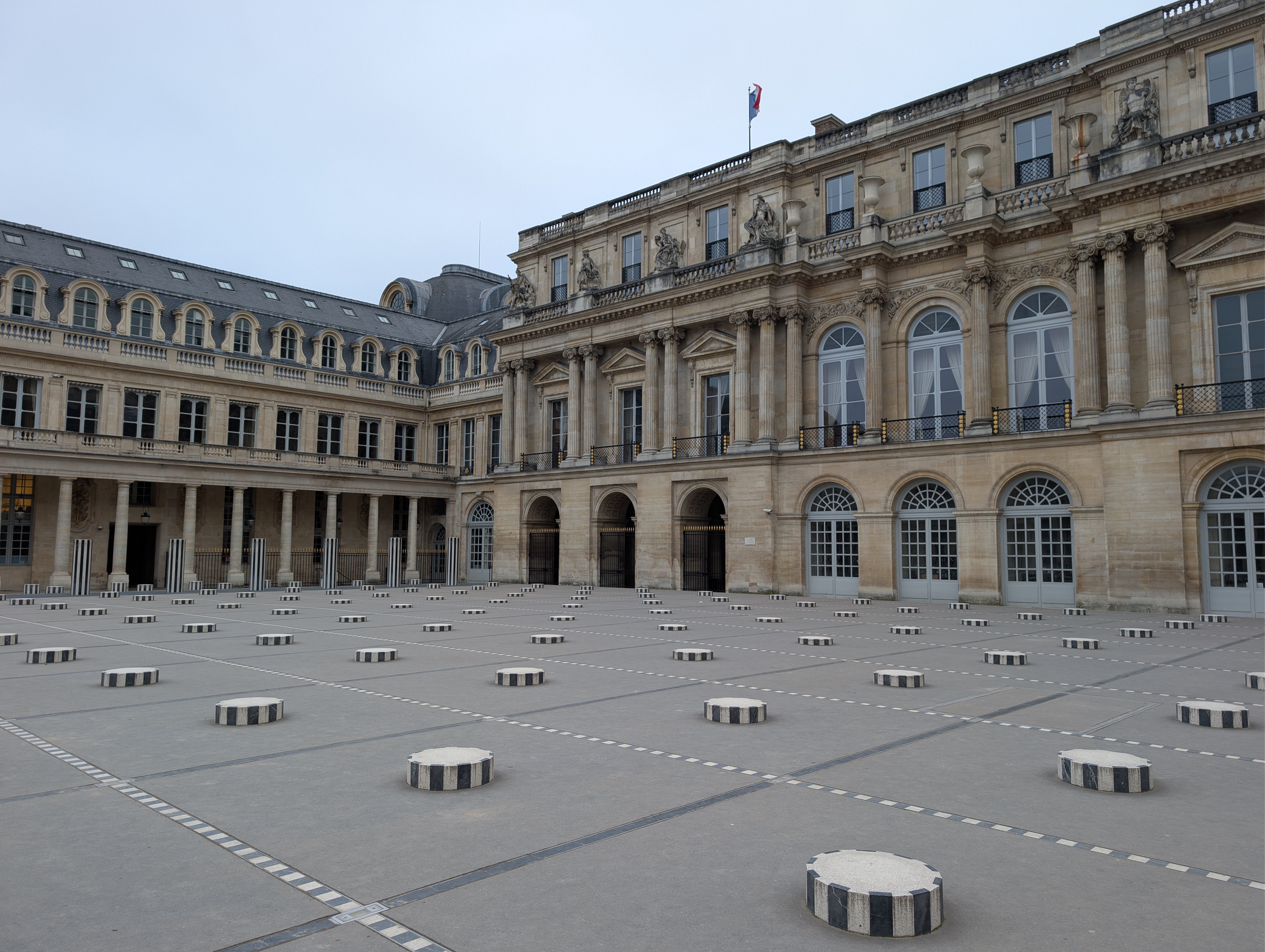
So, how long will we live in Paris?
I don’t know, but I’m sure that when I know the answer, everything will be completely different to anything I said today.