We spent the weekend in Luxembourg City - the small capital of the small country surrounded by France, Belgium and Germany. We left on a Friday afternoon from Paris Gare de L’Est and arrived by train in the city less than three hours later.
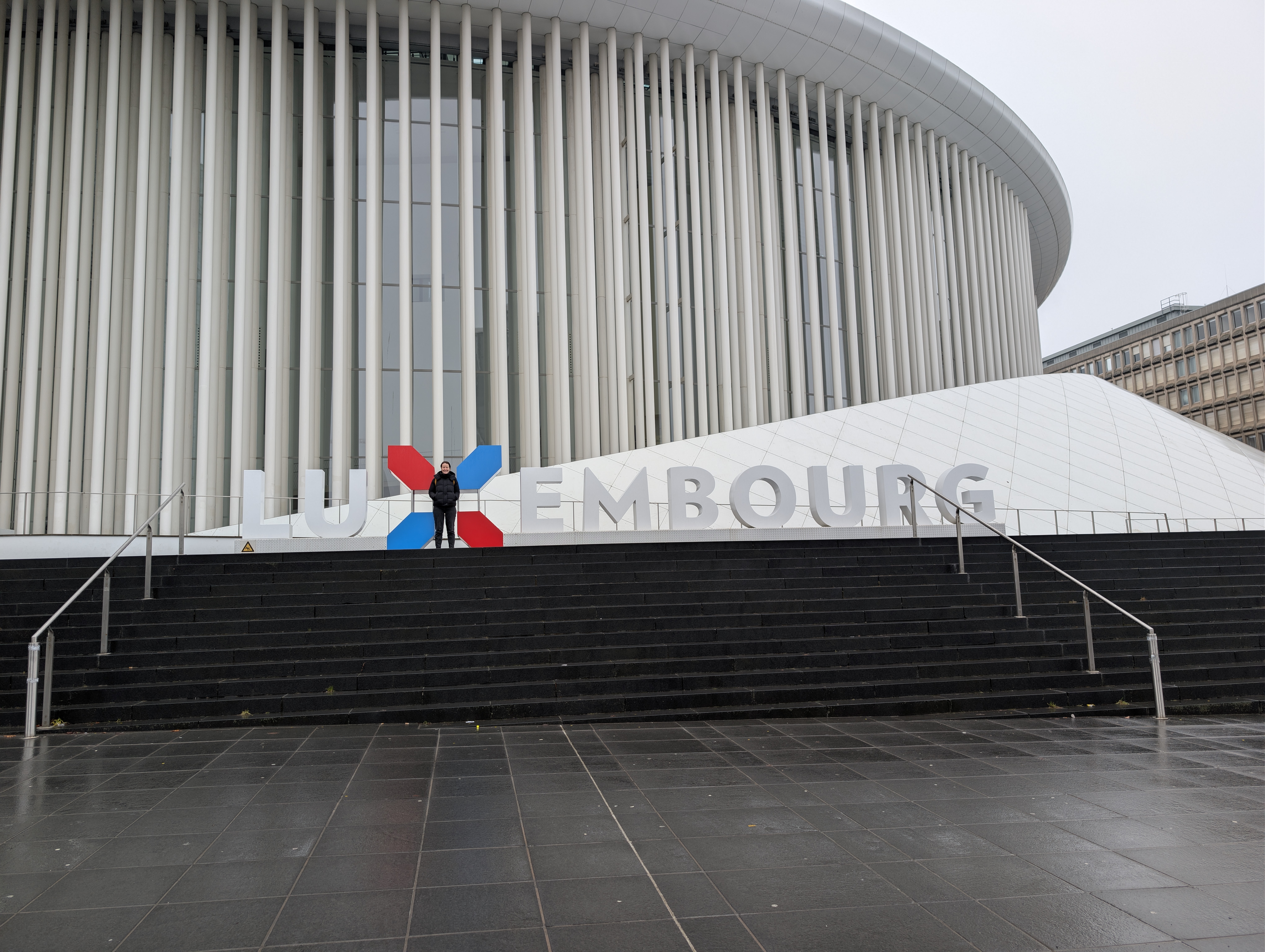
Going to Luxembourg occurred on a whim and we had no expectations. It seemed like a nice weekend getaway - a small city not far from Paris - and the chance to visit an entirely new country for the weekend. Because that’s what you can do in Europe.
But all of it was pleasantly surprising. It was a cold winter’s night when we arrived and a layer of mist blanketed the city, obscuring the architecture and softening the city lights. But even arriving at our hotel under a light rain didn’t ruin the mood and even though the rest of the weekend continued in rain and mist, it all seemed quintessential to experiencing this ancient fortified city.
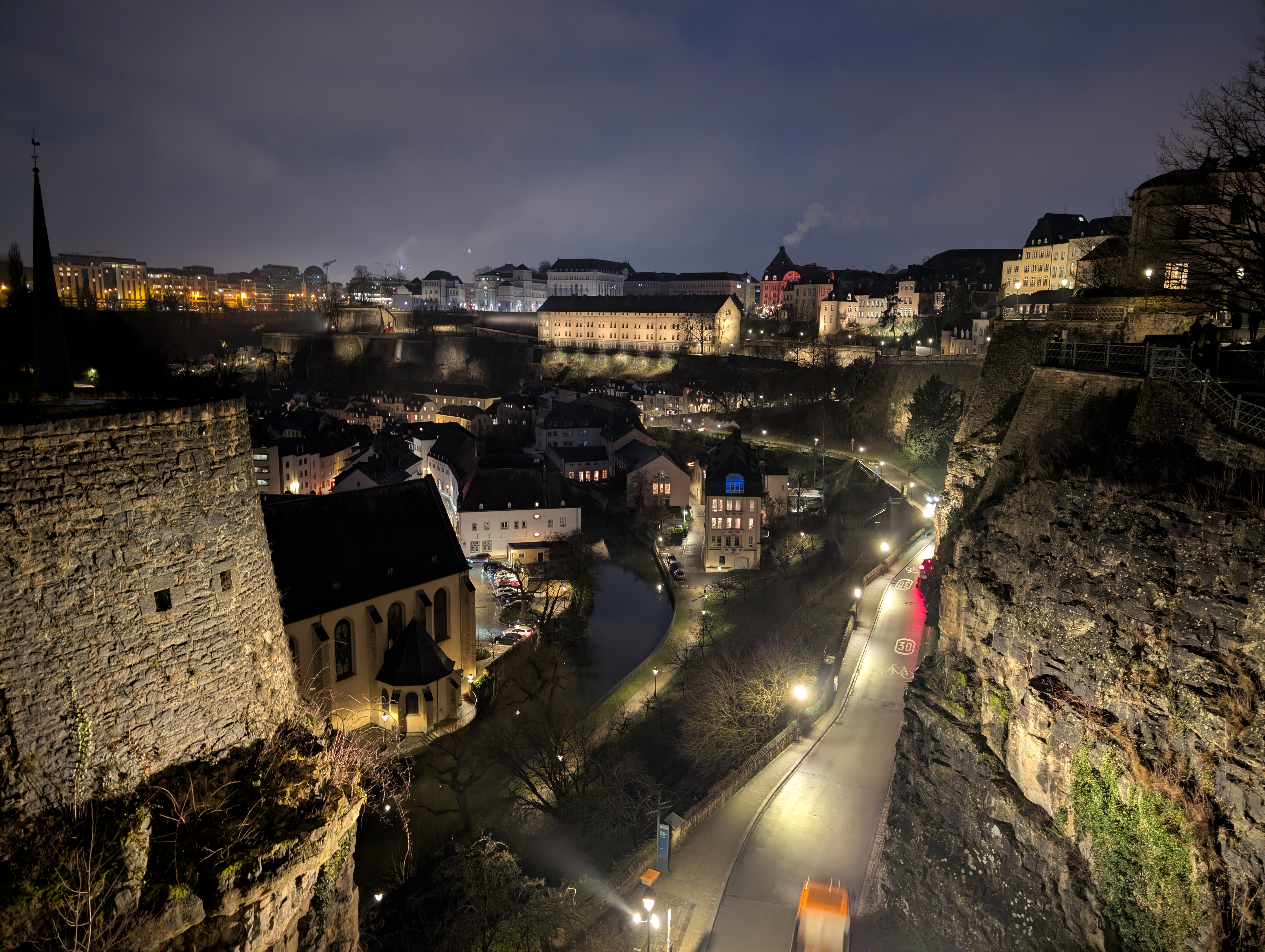
The old town at night with its fortifications
Our accommodation for two nights was at the beautiful Hotel Le Place D’Armes. We were greeted on arrival with a glass of crémant - Luxembourg’s answer to champagne. After settling into the room, we went to the hotel bar for a drink before dinner. With unexpected joy, we were greeted by a South-African born, Australian-loving bartender who made excellent cocktails and even better banter.
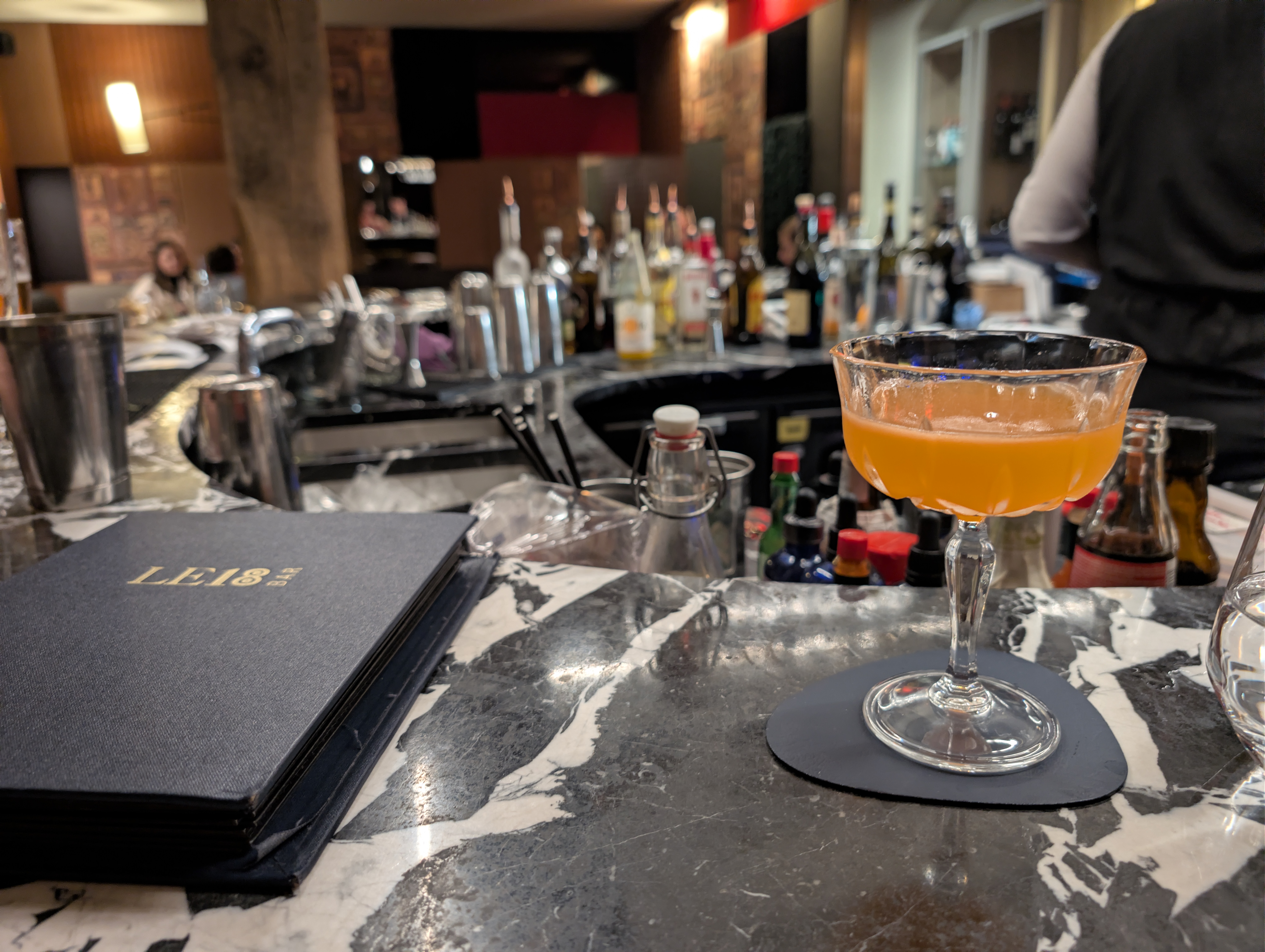
Cocktails at the hotel bar
After a few drinks, we stumbled off into the misty night for dinner. We ate at the Michelin starred Mosconi where seemingly endless courses of food and wine tipped us over the edge. At the end of the final course, we made a quick exit, before our inebriation got the better of us in public.

One of the main courses at Mosconi restaurant
The following day, slightly hungover, we explored the winding alleyways, narrow passages, and cobblestoned streets of the fortified old town.

Part of the fortifications surrounding the city
The site of Luxembourg City emerged in the 900s, as a stand-alone castle perched on the hill at the convergence of two rivers. Over many centuries, its fortifications grew, reinforcing its strategic military significance such that it became known as the best fortress in the world. In the 17th century, the first casemates were built: kilometres of fortified walls and underground tunnels winding all throughout the city. Although many of the casemates were required to be dismantled in the 1800s, many kilometres are still intact today and a large section can be visited. We decided to take a guided tour, which is recommended since there is otherwise not much information throughout the casemates themselves. Our excellent Luxembourgish guide transported us through a thousand years of Luxembourg’s history as we navigated the tunnels.
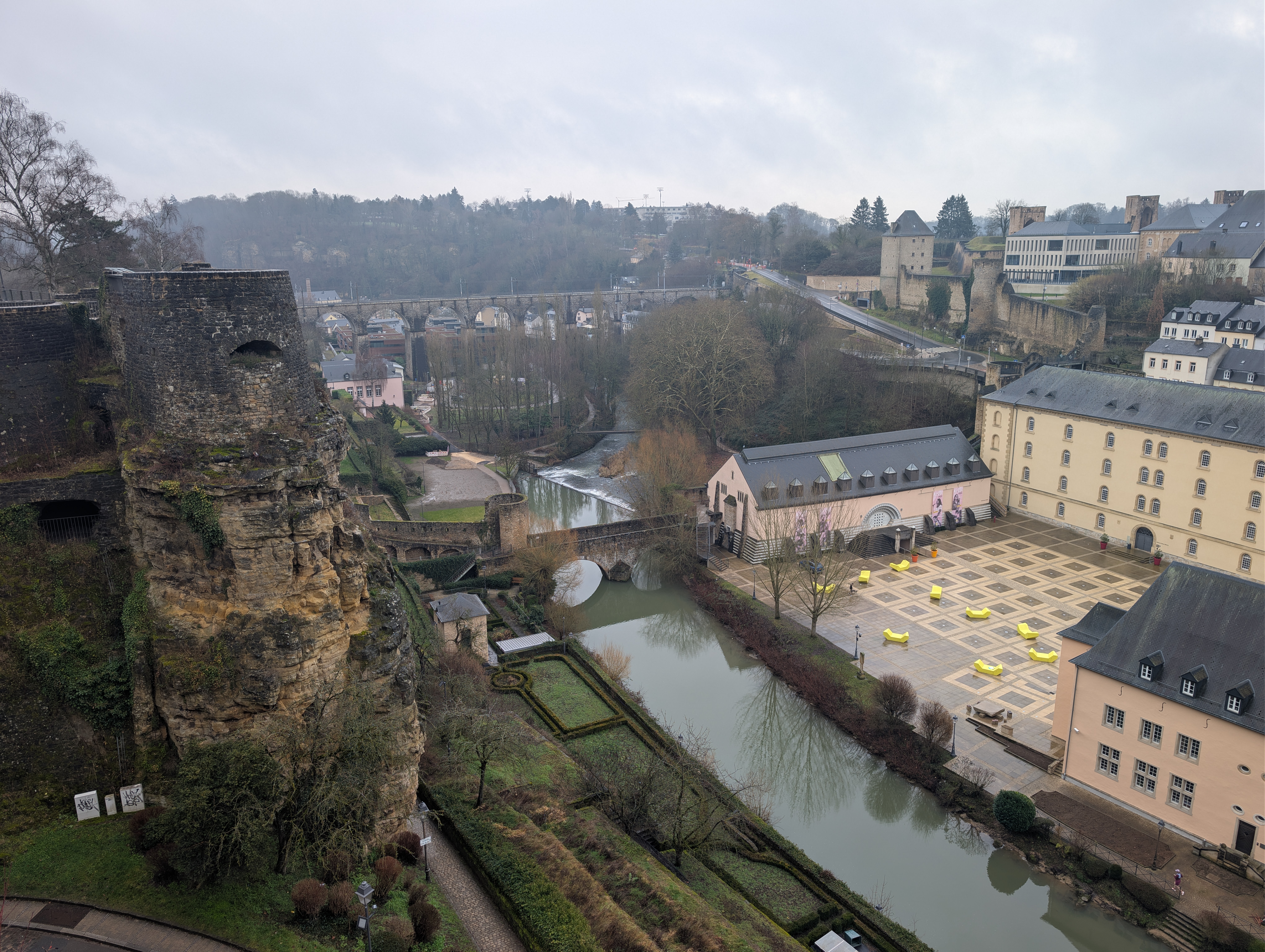
Standing within the casemates overlooking the valley of the city below
After our tour, we took the city’s free public transport to visit the Musée Dräi Eechelen, a restored fort that now hosts a national history museum. We enjoyed a reprieve from the rain and added a little more to our growing knowledge of Luxembourg.
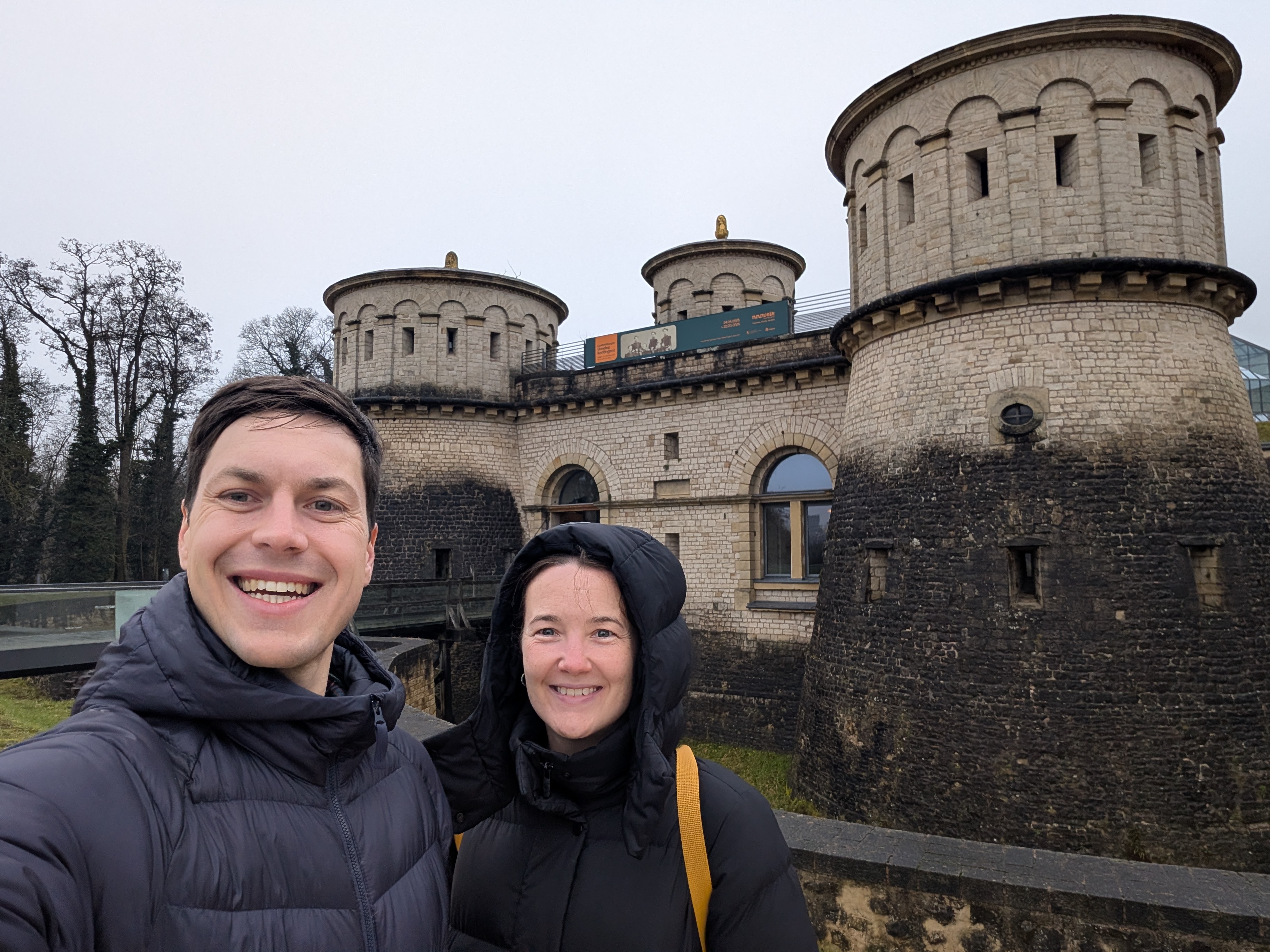
Outside of the Musée Dräi Eechelen
We ate dinner that night at Les Copains d’Abord and then had one last cocktail at the hotel bar before bed.
The next day we took our train back to Paris, grateful for the unexpected discovery of this little city.